

Sealing Sheet
The company was founded in 1980 and is located in Ningbo, China. Our company specializes in the development and production of sealing gaskets and other sealing materials for petroleum, chemical, electric power, shipbuilding and machinery manufacturing industries.AIKE is one of the largest privately gasket, seal, and packing manufacturers in the China. Our mission is to provide industry-leading safety sealing and attachment solutions through our valued quality products, our exceptional service, and our culture of never-ending continuous improvement.
Why Choose Us
Our Mission
Our mission is to provide industry-leading safety sealing and attachment solutions through our valued quality products, our exceptional service, and our culture of never-ending continuous improvement.
Product Application
Petrochemical Industry, Oil & Gas, Shipbuilding, Metallurgy, Electric Power, Renewable Energy, Papermaking, Medicine.
Production Equipment
Cnc Machine, Punch Machine, Laser Cutting Machine, Spiral Wound Machine,Water Cutting Machine, Kammprofile Machine.
Our Product
Sealing Gasket, Sealing Packing, Sealing Sheet, Sealing Raw Material,Sealing Machine.
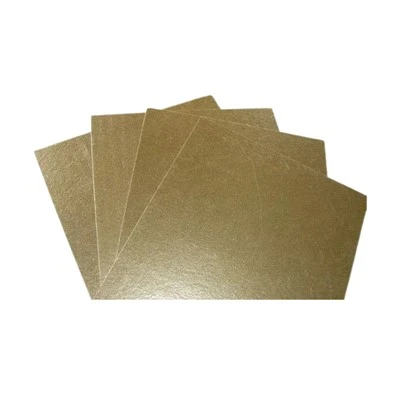
Mica sheets are versatile materials with unique properties, widely used in various industrial applications. Mica itself is a naturally occurring mineral known for its exceptional heat resistance, electrical insulation properties, and transparency. Mica sheets are manufactured by processing mica into thin, flat layers, resulting in flexible and translucent sheets.One of the notable characteristics of mica sheets is their outstanding thermal resistance. These sheets can withstand high temperatures without undergoing significant structural changes, making them suitable for applications in thermal insulation, electrical appliances, and heat-resistant components. The excellent electrical insulation properties of mica also contribute to its use in electrical and electronic applications.Mica sheets are often utilized as electrical insulators in the construction of capacitors, transformers, and other electrical equipment. The material's ability to withstand high voltages and its low power loss make it a preferred choice in the electrical and electronics industry.
Advantages of Mica Sheet
Thermal stability
Mica sheets exhibit excellent thermal stability, making them suitable for high-temperature applications. They can withstand extreme heat without undergoing significant structural changes or degradation.
Electrical insulation
Mica is an outstanding electrical insulator. Mica sheets provide effective insulation against electrical currents, making them valuable in electrical and electronic components, such as insulating plates and spacers.
Chemical resistance
Mica sheets are resistant to many chemicals, acids, and alkalis. This chemical resistance makes them durable in environments where exposure to corrosive substances is a concern.
Low thermal conductivity
Mica has low thermal conductivity, meaning it does not readily transfer heat. This property makes mica sheets effective as thermal insulators in various applications, including electrical appliances and industrial equipment.
Flexibility and machinability
Mica sheets are naturally flexible and can be machined or cut into thin, precise layers. This flexibility allows for easy customization and adaptation to specific shapes or sizes, making them versatile in manufacturing processes.
Transparency and UV resistance
Certain types of mica, such as muscovite, exhibit transparency and resistance to ultraviolet (UV) radiation. This makes them suitable for applications where optical clarity is essential or where exposure to sunlight and UV light is a consideration.
Types of Mica Sheet
Muscovite mica sheets
Muscovite mica sheets are primarily composed of muscovite mica minerals. Muscovite is known for its excellent dielectric strength, thermal stability, and transparency in thin layers. Muscovite mica sheets are often used in electrical insulation applications, such as in the production of capacitors, transformers, and other electrical equipment. Their high dielectric strength makes them suitable for applications requiring reliable electrical insulation.
Phlogopite mica sheets
Phlogopite mica sheets are primarily composed of phlogopite mica minerals. Phlogopite mica has better flexibility and can withstand higher temperatures compared to muscovite mica. Phlogopite mica sheets are often chosen for applications where flexibility is crucial, such as in thermal insulation for high-temperature environments. They are also used in applications requiring resistance to heat and chemicals.
Built-up mica sheets
Built-up mica sheets are manufactured by bonding multiple layers of mica with a suitable binding material, such as a resin or silicone. This process enhances the mechanical strength and flexibility of the sheets. Built-up mica sheets are versatile and find applications in electrical insulation, gaskets, and thermal insulation.
Mica splittings
Mica splittings are thin, flexible sheets obtained by carefully splitting mica layers. These sheets retain the natural transparency and heat-resistant properties of mica. Mica splittings are often used in windows for high-temperature observation, as well as in industries requiring a combination of transparency and thermal resistance.
Silvered mica sheets
Silvered mica sheets have a thin layer of silver deposited on one side. This silvering enhances the electrical conductivity of the mica sheet, making it suitable for specific electronic applications. Silvered mica sheets are commonly used in capacitors and other electronic components where a conductive surface is required.
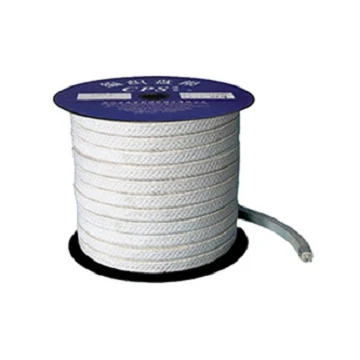
Fabric-reinforced mica sheets
Fabric-reinforced mica sheets are composite materials that combine mica with reinforcing materials such as glass cloth or polyester. The addition of reinforcing materials enhances the strength and dimensional stability of the sheets. Fabric-reinforced mica sheets are used in applications requiring increased mechanical strength, such as gaskets and seals.
How to Choose Mica Sheet
Type of mica
Mica comes in different types, including muscovite and phlogopite. Muscovite mica sheets are known for their excellent dielectric strength and thermal stability, while phlogopite mica sheets offer good flexibility and withstand higher temperatures. Choose the type of mica that aligns with the demands of your application.
Thickness
Mica sheets are available in various thicknesses. The thickness you choose will depend on the insulation or barrier requirements of your application. Thicker sheets may offer better thermal insulation, while thinner sheets may be suitable for applications where flexibility is essential.
Temperature rating
Consider the temperature range your application will be exposed to. Different types of mica have varying temperature ratings. Ensure that the chosen mica sheet can withstand the maximum and minimum temperatures it will encounter in your specific use case.
Electrical insulation properties
If your application involves electrical components, assess the electrical insulation properties of the mica sheet. Muscovite mica, for example, has superior dielectric strength, making it suitable for electrical insulation purposes. Verify that the mica sheet meets the electrical requirements of your application.
Flexibility
Evaluate the flexibility of the mica sheet, especially if it needs to conform to curved or irregular surfaces. Phlogopite mica is generally more flexible than muscovite mica, and it may be preferred in applications where flexibility is crucial.
Surface finish
Consider the surface finish of the mica sheet. Some applications may require a smooth surface, while others may benefit from a textured or treated surface for enhanced adhesion or insulation properties.
Chemical compatibility
Assess the chemical compatibility of the mica sheet with the substances it will come into contact with in your application. Mica is generally chemically inert, but it's important to confirm its resistance to specific chemicals if exposure is anticipated.
Application-specific requirements
Take into account any unique requirements of your application. This could include factors such as UV resistance, moisture resistance, or compliance with industry standards. Ensure that the chosen mica sheet aligns with these specific needs.
Yes, mica sheets are known for their exceptional resistance to high temperatures, and they are commonly used in applications where exposure to elevated temperatures is a consideration. Both muscovite and phlogopite mica, the two primary types used in manufacturing mica sheets, exhibit excellent thermal stability.
High melting point
Mica minerals have high melting points, with muscovite mica having a melting point around 1,160 degrees Celsius (2,120 degrees Fahrenheit) and phlogopite mica having a slightly higher melting point. This property allows mica sheets to maintain their structural integrity and properties at elevated temperatures.
Low thermal conductivity
Mica has a relatively low thermal conductivity, which means it does not readily transfer heat. This property makes mica an effective insulator against high temperatures. Mica sheets can be used to create thermal barriers in applications where preventing heat transfer is crucial.
Flexibility at high temperatures
Phlogopite mica, in particular, is known for its flexibility even at high temperatures. This makes phlogopite mica sheets suitable for applications where the material needs to withstand both heat and mechanical stress.
Insulating properties
Mica sheets are excellent electrical insulators and maintain their insulating properties at elevated temperatures. This makes them suitable for use in electrical and electronic applications where both thermal and electrical insulation are essential.
Resistance to thermal cycling
Mica sheets are resistant to thermal cycling, meaning they can endure repeated exposure to temperature fluctuations without undergoing significant changes in their properties. This makes them suitable for applications where temperature variations are common.
Common applications of mica sheets in high-temperature environments include:
- Electrical insulation: Mica sheets are widely used as insulating materials in electrical equipment and components exposed to high temperatures, such as transformers, capacitors, and electric motors.
- Thermal insulation: Mica sheets are used as thermal insulators in various industrial settings, including furnaces, ovens, and high-temperature processing equipment.
- Gaskets and seals: Mica sheets, especially those reinforced with materials like glass cloth, are used in gaskets and seals for applications requiring resistance to high temperatures and pressure.
- Observation windows: Mica splittings, which are thin and transparent mica sheets, are used in windows for observing high-temperature processes.
How Is Mica Extracted and Processed to Create Sheets
Mining
Mica is a naturally occurring mineral that is often found in granite and other rocks. The mining process involves extracting mica ore from open-pit mines or underground mines. The ore is typically extracted using methods such as blasting and drilling.
Sorting and cleaning
The extracted mica ore may contain impurities, such as other minerals or soil. The ore is sorted, and unwanted materials are removed through processes like screening and washing. This step is crucial to ensure the purity of the mica.
Crushing and grinding
The cleaned mica ore undergoes crushing and grinding to reduce it to smaller particles. This process is essential for liberating the mica flakes from the surrounding rock and increasing the surface area for subsequent processing.
Flotation
Flotation is a common method used to separate mica from other minerals in the ore. The crushed and ground mica ore is mixed with water and chemicals, and air is bubbled through the mixture. Mica particles attach to air bubbles and float to the surface, allowing their separation from heavier minerals.
Drying
The mica concentrate obtained from the flotation process is then dried to reduce its moisture content. Drying is typically done using rotary dryers.
Milling
The dried mica concentrate is further processed through milling to produce mica flakes. The size of the flakes can be controlled during this step, depending on the desired end-use.
Cleaning and classification
The mica flakes undergo additional cleaning processes to remove any remaining impurities. Classification methods, such as screening, may be employed to separate mica flakes into different size fractions.
Formation of mica sheets
The mica flakes are then mixed with a binding material, often a resin or silicone, to form a mica pulp or slurry. This mixture is then spread onto a surface and pressed to create thin layers. The layers are then dried to form solid mica sheets.
Cutting and shaping
The solid mica sheets can be cut or shaped into the desired dimensions. Depending on the application, mica sheets may be cut into specific shapes or left in large, flexible sheets.
Surface treatment
In some cases, mica sheets may undergo surface treatments, such as coatings or laminations, to enhance specific properties, such as adhesion or insulation.
Can Mica Sheets Be Used as Electrical Insulators
Certainly, mica sheets are widely recognized and utilized for their exceptional properties as electrical insulators. The unique combination of high dielectric strength, excellent thermal stability, and natural insulating properties makes mica an ideal material for electrical insulation applications.
Mica sheets are commonly employed in the manufacturing of various electrical components, such as capacitors, transformers, and electric motors. The sheets serve as effective barriers, preventing the unwanted flow of electric current between conductive materials and ensuring the integrity of electrical systems.
The high dielectric strength of mica, particularly in the case of muscovite mica, enables it to withstand substantial electrical voltages without breakdown. This property is crucial in applications where insulation is paramount to prevent short circuits or electrical failures.
Additionally, mica's thermal stability is advantageous in electrical systems where temperature variations are common. Mica sheets maintain their structural integrity and insulating properties even at elevated temperatures, contributing to the reliability and longevity of electrical equipment.
The flexibility of phlogopite mica further enhances its suitability for electrical insulation in applications that involve bending or shaping to fit specific components. This flexibility allows mica sheets to conform to irregular shapes, providing effective insulation in diverse electrical configurations.
Mica sheets serve as excellent electrical insulators due to their high dielectric strength, thermal stability, and flexibility. Their widespread use in electrical engineering underscores their importance in ensuring the safe and efficient operation of various electrical devices and systems.
How Do Mica Sheets Contribute to Thermal Insulation
Low thermal conductivity
Mica possesses a low thermal conductivity, meaning it does not easily transfer heat. This property makes mica an effective thermal insulator, as it restricts the flow of thermal energy through the material. As a result, mica sheets are used to create barriers that minimize heat transfer.
Heat resistance
Mica sheets can withstand high temperatures without undergoing significant structural changes or degradation. This heat resistance allows them to function as insulating materials in environments where exposure to elevated temperatures is a concern.
Flexible and thin form
Mica sheets are naturally thin and flexible, allowing them to be easily shaped or layered to fit specific applications. This flexibility facilitates their use in areas where traditional insulation materials may be challenging to apply.
Electrical insulation
In addition to thermal insulation, mica sheets also serve as electrical insulators. This dual functionality makes them suitable for applications where both thermal and electrical insulation are required, such as in electrical appliances and industrial equipment.
Resistance to thermal expansion
Mica exhibits minimal thermal expansion, meaning it does not significantly change in size or shape with temperature fluctuations. This property contributes to the stability of mica sheets as thermal insulators.
Resistance to moisture and chemicals
Some types of mica, such as muscovite, are resistant to moisture and chemicals. This resistance ensures that the insulating properties of mica sheets remain effective even in challenging environmental conditions.
Rubber sheet is a versatile and resilient material that finds widespread use across various industrial and commercial applications. Composed primarily of natural or synthetic rubber compounds, these sheets exhibit unique properties that make them suitable for a diverse range of purposes. The manufacturing process involves the mixing and processing of rubber compounds, followed by vulcanization to enhance the material's strength and durability.Rubber sheets are valued for their elasticity, flexibility, and resistance to wear, making them ideal for applications where impact resistance and cushioning are crucial. The sheets come in different formulations, such as neoprene, EPDM (ethylene propylene diene monomer), silicone, and natural rubber, each offering distinct features to meet specific requirements.
Advantages of Rubber Sheet
Elasticity and flexibility
Rubber sheets exhibit remarkable elasticity and flexibility, allowing them to deform under stress and return to their original shape when the stress is removed. This property makes rubber sheets ideal for applications where resilience and deformation recovery are crucial, such as in gaskets and seals.
Impact resistance
Rubber sheets provide excellent impact resistance, making them suitable for use in applications where surfaces need protection against mechanical impact or abrasion. Their ability to absorb and disperse impact energy contributes to the durability and longevity of materials like conveyor belts and industrial flooring.
Weather and UV resistance
Many rubber compounds, such as EPDM and neoprene, exhibit exceptional resistance to weathering and ultraviolet (UV) radiation. This makes rubber sheets well-suited for outdoor applications, including roofing, where they can withstand exposure to sunlight, rain, and temperature fluctuations without deteriorating.
Chemical resistance
Rubber sheets are resistant to a wide range of chemicals, acids, and alkalis, depending on the specific rubber compound used. This chemical resistance makes them valuable in industries where exposure to corrosive substances is common, such as in chemical processing plants or laboratories.
Insulating properties
Rubber is an excellent electrical insulator, and rubber sheets are commonly used in electrical applications. They provide insulation against electrical currents, making them suitable for applications like electrical mats, gaskets, and seals in electronic devices.
Sound and vibration dampening
Rubber sheets possess inherent damping properties that make them effective in reducing sound and vibrations. This makes them valuable in applications where noise reduction or vibration isolation is essential, such as in automotive components, machinery mounts, or building construction.
Material of Rubber Sheet
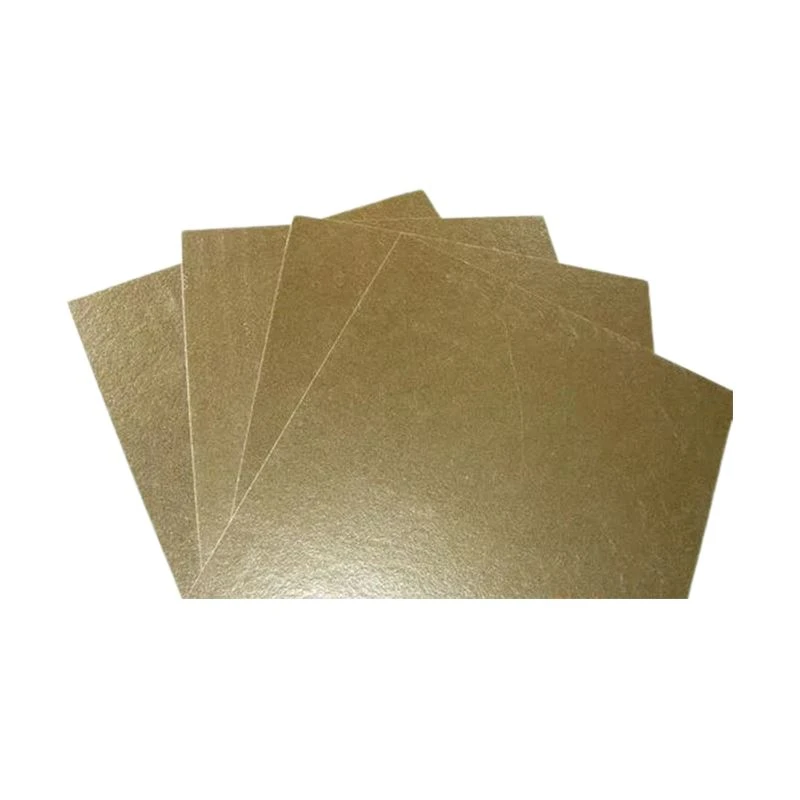


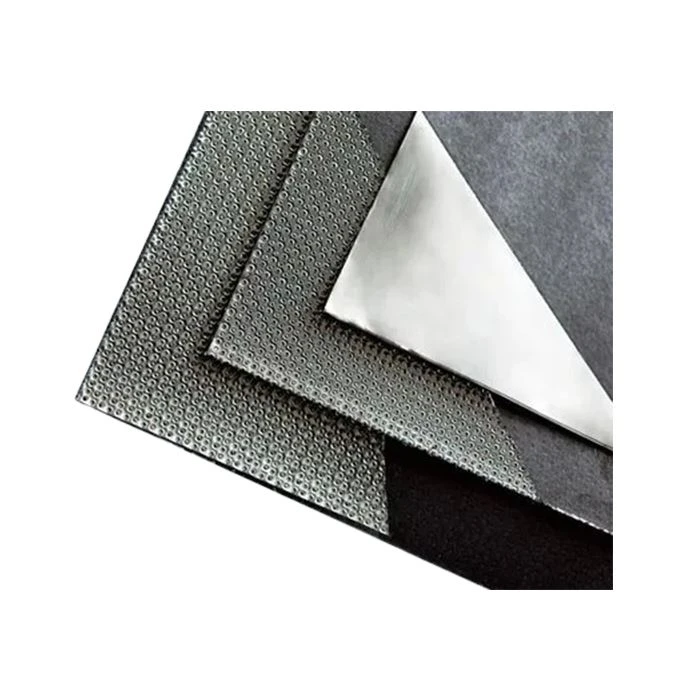
Natural rubber
Derived from the latex of rubber trees, natural rubber exhibits high elasticity and resilience. It is suitable for applications requiring good tear resistance and abrasion resistance. However, natural rubber may not perform well in applications where exposure to oils, solvents, or extreme temperatures is a concern.
Neoprene rubber
Neoprene, a synthetic rubber, is known for its excellent resistance to weathering, ozone, and oil. It has good flexibility over a wide temperature range, making it suitable for applications in challenging outdoor conditions. Neoprene rubber sheets are commonly used in gaskets, seals, and industrial applications.
Epdm (ethylene propylene diene monomer) rubber
EPDM rubber is known for its outstanding weather resistance, UV resistance, and resistance to heat. It is commonly used in outdoor applications, roofing, and automotive seals. EPDM rubber sheets offer excellent durability and performance in a variety of weather conditions.
Nitrile rubber (NBR)
Nitrile rubber, or NBR, is well-known for its resistance to oils, fuels, and chemicals. Nitrile rubber sheets are commonly used in applications where exposure to oils and hydrocarbons is prevalent, such as in automotive seals, gaskets, and oil-resistant flooring.
Silicone rubber
Silicone rubber is known for its high-temperature resistance, flexibility, and biocompatibility. Silicone rubber sheets are commonly used in medical, food processing, and aerospace applications. They offer good electrical insulation properties and can withstand a wide range of temperatures.
Viton® (Fluoroelastomer) rubber
Viton® is a fluoroelastomer known for its exceptional chemical resistance, especially to aggressive chemicals, oils, and fuels. Viton® rubber sheets are used in applications requiring resistance to harsh chemical environments, such as in the chemical and petrochemical industries.
Butyl rubber
Butyl rubber exhibits good impermeability to gases, making it suitable for applications requiring gas and moisture barrier properties. Butyl rubber sheets are often used in the production of seals and gaskets for applications involving air or gas containment.
SBR (Styrene-Butadiene Rubber)
SBR is a synthetic rubber with good abrasion resistance and flexibility. While it may not have the same level of oil resistance as some other rubbers, SBR rubber sheets are cost-effective and find use in general-purpose applications, such as conveyor belts and flooring.
Mixing and compounding
The prepared raw materials are mixed together in a compounding process. This involves blending the rubber compound with the reinforcing agents and additives. The mixing process is crucial to achieve a uniform distribution of ingredients and ensure the desired properties of the rubber sheet.
Calendering
The mixed rubber compound is then processed through calendering machines. Calendering involves passing the rubber through a series of rollers to create a continuous sheet of uniform thickness. The rollers exert pressure on the rubber compound, shaping it into a flat sheet.
Fabric insertion
In some cases, especially for reinforced rubber sheets, a layer of fabric or other reinforcing materials may be inserted during the calendering process. This fabric layer enhances the strength and durability of the final product.
Surface treatment
Depending on the application, the rubber sheet may undergo surface treatments or coatings to enhance specific properties. This could include treatments for improved adhesion, chemical resistance, or surface texture.
Calendering
The mixed rubber compound is then processed through calendering machines. Calendering involves passing the rubber through a series of rollers to create a continuous sheet of uniform thickness. The rollers exert pressure on the rubber compound, shaping it into a flat sheet.
Fabric insertion
In some cases, especially for reinforced rubber sheets, a layer of fabric or other reinforcing materials may be inserted during the calendering process. This fabric layer enhances the strength and durability of the final product.
Preparation of raw materials
The process begins with the selection and preparation of raw materials. The primary ingredients include rubber compounds, reinforcing agents such as carbon black or silica, plasticizers, and other additives. The exact formulation is determined based on the desired properties of the rubber sheet.
Vulcanization
Vulcanization is a critical step in the rubber sheet manufacturing process. The calendered rubber sheet is subjected to heat and pressure in a vulcanization process. Vulcanization involves the cross-linking of polymer chains within the rubber, imparting strength, elasticity, and durability to the material. This process is typically carried out in an autoclave or press.
Mixing and compounding
The prepared raw materials are mixed together in a compounding process. This involves blending the rubber compound with the reinforcing agents and additives. The mixing process is crucial to achieve a uniform distribution of ingredients and ensure the desired properties of the rubber sheet.
Things to Note When Using Rubber Sheet
Compatibility with substances
Ensure that the rubber sheet material is compatible with the substances it will come into contact with. Different rubber compounds have varying degrees of resistance to chemicals, oils, solvents, and other substances. Choose a rubber sheet that is chemically compatible with the specific environment in which it will be used.
Temperature range
Consider the temperature range of the operating environment. Rubber sheets have temperature limits beyond which their performance may be compromised. Ensure that the selected rubber sheet can withstand the temperatures it will be exposed to, whether high or low.
UV exposure
If the rubber sheet will be exposed to sunlight or ultraviolet (UV) radiation, consider the material's resistance to UV degradation. Some rubber compounds, like EPDM, are known for their excellent UV resistance, making them suitable for outdoor applications.
Mechanical stress and abrasion
Assess the mechanical stress and abrasion resistance requirements of the application. Depending on the use, choose a rubber sheet with appropriate tensile strength and abrasion resistance to withstand wear and tear, especially in high-traffic areas or industrial machinery.
Compression set resistance
Compression set refers to the ability of rubber to recover its original shape after being compressed. In applications where the rubber sheet undergoes compression, such as gaskets or seals, choose a material with good compression set resistance to ensure long-term sealing effectiveness.
Installation and handling
Follow proper installation procedures recommended by the manufacturer. Handle rubber sheets carefully during installation to avoid damage or deformities that may impact their performance. Use suitable tools and techniques to prevent cuts or tears in the material.
Storage conditions
Store rubber sheets in a cool, dry place away from direct sunlight. Exposure to heat, humidity, or sunlight during storage can affect the material properties. Follow the manufacturer's guidelines for storage conditions to maintain the integrity of the rubber sheets.
Surface preparation
Ensure that the surfaces in contact with the rubber sheet are clean and free from contaminants. Proper surface preparation enhances the adhesion of the rubber sheet, especially in applications like bonding or sealing.
Regular inspection
Periodically inspect rubber sheets for signs of wear, damage, or degradation. Replace any sheets that show visible signs of deterioration to prevent potential failures or leaks.
Environmental considerations
Consider the environmental conditions of the application site, including exposure to harsh weather, ozone, or corrosive atmospheres. Choose a rubber sheet material that is resistant to environmental factors relevant to the specific application.
How Can I Cut Rubber Sheets
Utility knife or box cutter
For thin rubber sheets, a utility knife or box cutter can be effective. Ensure the blade is sharp, and use a straight edge or ruler as a guide to achieve a straight cut. Multiple passes may be needed for thicker sheets.
Scissors
Scissors can be suitable for cutting thinner rubber sheets, especially if precision is required. Ensure the scissors are sharp and well-suited for cutting through rubber material.
Shears or snips
Hand shears or snips designed for cutting sheet materials can be used for rubber sheets. These tools provide a more controlled cut, especially in applications where curves or intricate shapes are needed.
Rotary cutter
A rotary cutter, commonly used for fabric and crafting, can be effective for cutting rubber sheets. This tool allows for precision cuts and is suitable for both straight and curved lines.
Band saw
A band saw with a fine-toothed blade is suitable for cutting thicker rubber sheets or for achieving more complex cuts and shapes. It provides a clean and efficient cut but requires careful handling.
Jigsaw
A jigsaw with a fine-toothed blade designed for cutting rubber can be used for both straight and curved cuts. This power tool is versatile and suitable for thicker rubber sheets.
Water jet cutting
For more precise and intricate cuts, water jet cutting can be employed. This method uses a high-pressure stream of water mixed with an abrasive substance to cut through the rubber. It is suitable for various thicknesses and produces clean edges.
Laser cutting
Laser cutting is another precise method for cutting rubber sheets. It allows for intricate designs and can be highly accurate. However, it may be more suitable for thinner rubber sheets.
Safety gear: Wear appropriate safety gear, including gloves and eye protection, to protect yourself during the cutting process.
Surface support: Ensure the rubber sheet is adequately supported on a stable surface to prevent uneven cuts.
Marking: Clearly mark the cutting line using a straight edge or template to guide your cutting tool.
Blade sharpness: Use sharp blades or cutting tools to achieve clean cuts and prevent unnecessary tearing or deformation of the rubber.
Test cuts: Before making the final cut, perform a test cut on a small section to ensure the chosen method and tool are suitable for the rubber material.
Source of raw material
Natural Rubber Sheets: Derived from the latex sap of rubber trees, primarily Hevea brasiliensis. The latex is collected, treated, and processed to form natural rubber sheets.
Synthetic Rubber Sheets: Produced through chemical processes using petroleum-based or other raw materials. Common types include neoprene, nitrile, butyl, and SBR (styrene-butadiene rubber).
Composition
Natural Rubber Sheets: Composed mainly of polyisoprene, a naturally occurring polymer. The molecular structure provides high elasticity and resilience.
Synthetic Rubber Sheets: Composed of various polymers depending on the type, such as chloroprene (neoprene), acrylonitrile-butadiene (NBR or nitrile), and styrene-butadiene (SBR). The composition is tailored for specific properties like oil resistance, chemical resistance, or heat resistance.
Properties
Natural Rubber Sheets: Known for high elasticity, excellent tear strength, and good abrasion resistance. It has low resistance to oils and chemicals.
Synthetic Rubber Sheets: Properties vary based on the type. For example, neoprene offers good chemical resistance, nitrile is oil-resistant, and silicone rubber has high-temperature resistance.
Resistance to environmental factors
Natural Rubber Sheets: Vulnerable to UV radiation, ozone, and weathering. It may degrade over time when exposed to these environmental factors.
Synthetic Rubber Sheets: Depending on the type, synthetic rubbers can be formulated to resist UV, ozone, and weathering, making them suitable for outdoor applications.
Sustainability
Natural Rubber Sheets: Considered more environmentally friendly as they are derived from a renewable resource (rubber trees). However, concerns about deforestation and sustainability practices in some regions are relevant.
Synthetic Rubber Sheets: May have a lower environmental impact in terms of land use but are derived from non-renewable resources. However, advancements in sustainable sourcing and production methods are ongoing.
Applications
Natural Rubber Sheets: Commonly used in applications requiring high elasticity and resilience, such as tires, conveyor belts, and vibration isolators.
Synthetic Rubber Sheets: Used in various industries based on specific properties—neoprene for gaskets, nitrile for oil-resistant seals, and silicone for high-temperature applications.