

Sealing Packing
NINGBO AIKE SEALING MANUFACTURE CO., LTD
The company was founded in 1980 and is located in Ningbo, China. Our company specializes in the development and production of sealing gaskets and other sealing materials for petroleum, chemical, electric power, shipbuilding and machinery manufacturing industries.AIKE is one of the largest privately gasket, seal, and packing manufacturers in the China. Our mission is to provide industry-leading safety sealing and attachment solutions through our valued quality products, our exceptional service, and our culture of never-ending continuous improvement.
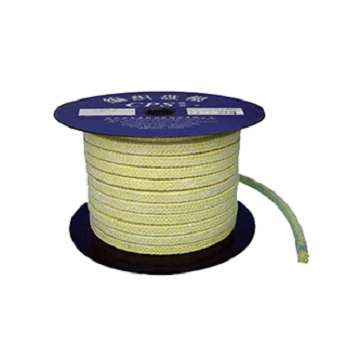
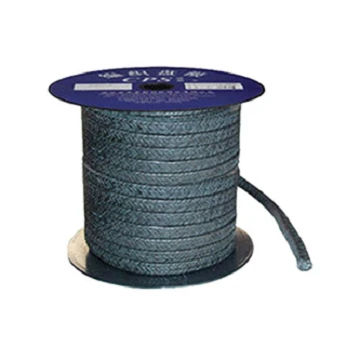
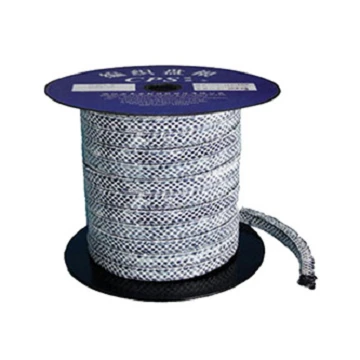
Why Choose Us
Our Mission
Our mission is to provide industry-leading safety sealing and attachment solutions through our valued quality products, our exceptional service, and our culture of never-ending continuous improvement.
Product Application
Petrochemical Industry, Oil & Gas, Shipbuilding, Metallurgy, Electric Power, Renewable Energy, Papermaking, Medicine.
Production Equipment
Cnc Machine, Punch Machine, Laser Cutting Machine, Spiral Wound Machine,Water Cutting Machine, Kammprofile Machine.
Our Product
Sealing Gasket, Sealing Packing, Sealing Sheet, Sealing Raw Material,Sealing Machine.
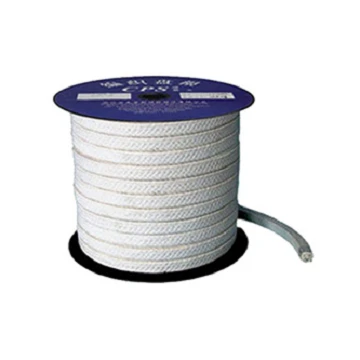
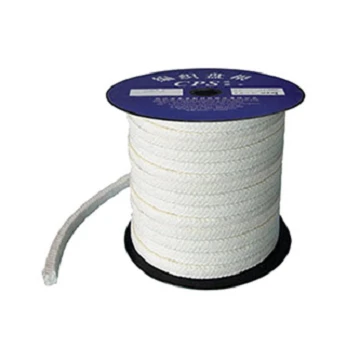
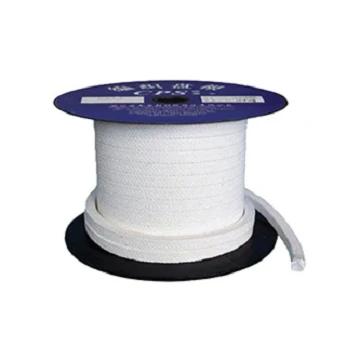
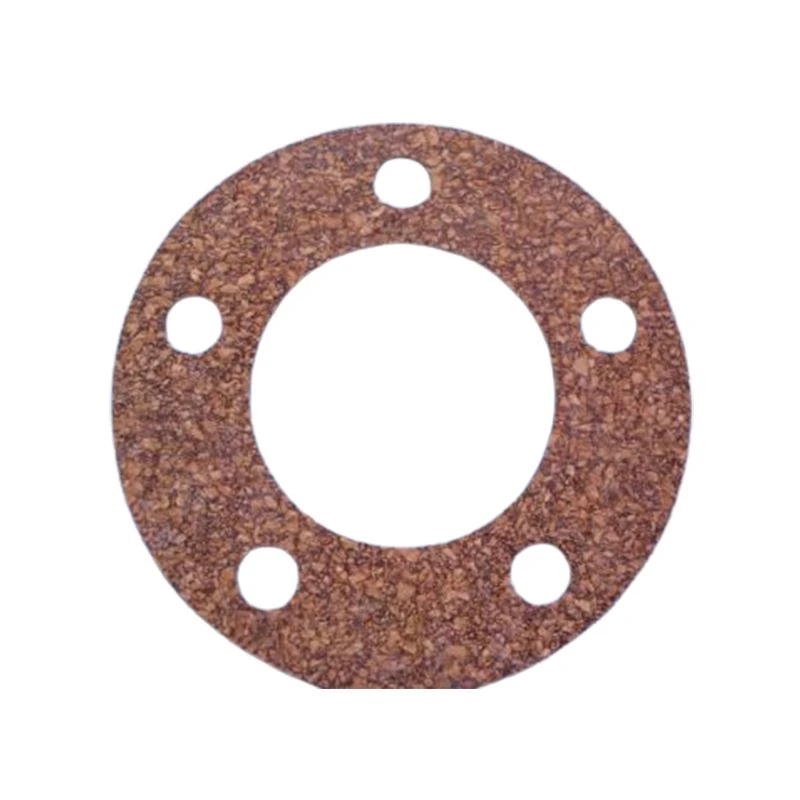
Acrylic fiber braided packing is a type of sealing material that combines the exceptional properties of acrylic fiber with a braided construction, making it well-suited for various sealing applications. Acrylic fibers, known for their high tensile strength, resistance to abrasion, and excellent chemical stability, contribute to the durability and reliability of the packing. The braided construction enhances its flexibility and conformability, allowing the packing to adapt to irregularities in the sealing surfaces. This packing is widely used in dynamic and static sealing applications, such as pump shafts, valves, and other rotary or reciprocating equipment, where a dependable and long-lasting seal is essential. The acrylic fiber's inherent resistance to harsh chemicals and solvents makes it suitable for applications involving aggressive media. The braided design ensures that the packing maintains its structural integrity under various operating conditions, providing an effective barrier against fluid leakage.

Chemical resistance
The inherent chemical stability of acrylic fiber makes the braided packing resistant to a wide range of chemicals and solvents. This feature is particularly advantageous in applications where exposure to aggressive media is common, ensuring the packing remains unaffected and reliable over time.
Thermal stability
Acrylic fibers possess thermal stability, allowing the braided packing to withstand a range of temperatures. This makes it suitable for applications where temperature fluctuations are common, ensuring the packing remains effective and maintains its sealing properties.
Conformability and flexibility
The braided construction of the packing enhances its conformability and flexibility, enabling it to adapt to irregularities in sealing surfaces. This characteristic ensures a tight and effective seal, even in challenging conditions, making it versatile for use in diverse industrial settings.
In What Industries Is Acrylic Fiber Braided Packing Commonly Used
Chemical processing industry
Acrylic Fiber Braided Packing's resistance to a wide range of chemicals and solvents makes it suitable for sealing applications in chemical processing plants. It is employed in valves, pumps, and other equipment handling corrosive substances.
Oil and gas industry
In the oil and gas sector, where equipment operates under varying pressures and temperatures, Acrylic Fiber Braided Packing is utilized to create effective seals in valves, pumps, and other critical components, helping prevent leaks in pipelines and processing facilities.
Manufacturing and engineering
The versatility of Acrylic Fiber Braided Packing makes it applicable in various manufacturing and engineering processes. It is commonly used in sealing rotating equipment, such as pumps and mixers, contributing to efficient and leak-free operations.
Power generation
Power plants, including those using fossil fuels or renewable energy sources, often employ Acrylic Fiber Braided Packing in valves, turbines, and other components to maintain effective seals in high-temperature and high-pressure environments.
Water treatment
Acrylic Fiber Braided Packing is used in water treatment facilities to seal valves, pumps, and other equipment involved in the processing and distribution of clean water. Its resistance to chemicals and adaptability to different conditions make it suitable for this application.
Pulp and paper industry
In the pulp and paper industry, where equipment is exposed to abrasive materials and varying pressures, Acrylic Fiber Braided Packing serves as a reliable sealing solution in pumps, agitators, and other machinery.
Mining industry
Mining operations involve challenging conditions, and Acrylic Fiber Braided Packing is utilized in sealing applications for equipment such as slurry pumps and valves, where resistance to abrasion and chemicals is crucial.
Aerospace industry
The thermal stability and chemical resistance of Acrylic Fiber Braided Packing make it suitable for aerospace applications. It is used in sealing components of aircraft engines, fuel systems, and hydraulic systems.
Food and beverage industry
In the food and beverage sector, where hygiene and resistance to various media are critical, Acrylic Fiber Braided Packing is employed in sealing equipment used in the processing and packaging of food and beverages.
How to Choose Acrylic Fiber Braided Packing
Operating conditions
Understand the operating conditions of the application, including temperature, pressure, and exposure to chemicals. Acrylic Fiber Braided Packing is known for its chemical resistance and thermal stability, but selecting the appropriate variant depends on the specific requirements of the environment.
Fluid compatibility
Consider the nature of the fluids or media the packing will come into contact with. Acrylic Fiber Braided Packing is chemically resistant, but it's essential to ensure compatibility with the specific chemicals or substances present in the application.
Equipment type
Different types of equipment, such as pumps, valves, or agitators, may have distinct sealing requirements. Consider the type of equipment in which the packing will be used to choose the right size, configuration, and material variant.
Abrasion resistance
If the application involves abrasive particles or conditions that may cause wear, prioritize Acrylic Fiber Braided Packing with enhanced abrasion resistance. This ensures the packing maintains its sealing effectiveness over time.
Size and dimensions
Accurately measure and determine the required size and dimensions of the packing based on the equipment specifications. Using the correct size is crucial for achieving proper compression and sealing performance.
Flexibility and conformability
Evaluate the flexibility and conformability of the packing, especially if the application involves irregular or uneven surfaces. Acrylic Fiber Braided Packing's ability to adapt to surface irregularities is beneficial in ensuring a secure seal.
Installation ease
Consider the ease of installation, especially if the application requires frequent maintenance or replacements. Some packing variants may offer features that simplify the installation process, reducing downtime and labor costs.
Environmental considerations
Take into account any environmental factors, such as exposure to UV radiation, moisture, or extreme weather conditions. Choose Acrylic Fiber Braided Packing with properties that align with the specific environmental challenges of the application.
Acrylic Fiber Braided Packing generally exhibits good thermal stability, and it can withstand moderately high temperatures. The exact temperature range depends on the specific type and composition of the acrylic fiber used in the packing. In general, acrylic fibers can typically handle temperatures up to around 250 to 300 degrees Fahrenheit (120 to 150 degrees Celsius).While acrylic fiber is known for its resistance to heat, it's crucial to consider the application's temperature requirements and whether they fall within the acceptable range for the chosen Acrylic Fiber Braided Packing. If the operating temperatures exceed the recommended range, alternative packing materials with higher-temperature resistance may be more suitable for the application.
How Does Acrylic Fiber Braided Packing Compare to Other Packing Materials in Terms of Performance
The performance of Acrylic Fiber Braided Packing in comparison to other packing materials depends on the specific requirements of the application. Each packing material has its own set of properties, advantages, and limitations. Here's a general comparison of Acrylic Fiber Braided Packing with other common packing materials:
●Graphite packing
Acrylic fiber braided packing: Offers good chemical resistance and thermal stability. Suitable for various applications and provides flexibility and conformability.
Graphite packing: Known for its excellent thermal conductivity and lubrication properties. Often used in high-temperature and high-pressure applications. May not be as flexible as acrylic fiber.
●PTFE (polytetrafluoroethylene) packing
Acrylic fiber braided packing: Exhibits good chemical resistance and flexibility. Suitable for applications with moderate temperatures and pressures.
PTFE packing: Known for exceptional chemical resistance, low friction, and broad temperature tolerance. Suitable for corrosive environments and high-temperature applications.
●Aramid fiber (Kevlar) packing
Acrylic fiber braided packing: Offers good resistance to abrasion, flexibility, and chemical stability. Suitable for applications with moderate temperature and pressure requirements.
Aramid fiber packing: Known for high tensile strength and excellent resistance to abrasion. Suitable for applications where strength and durability are critical.
●Carbon fiber packing
Acrylic fiber braided packing: Provides good chemical resistance and flexibility. Suitable for general sealing applications.
Carbon fiber packing: Offers high-temperature resistance, low friction, and good thermal conductivity. Often used in applications involving high-speed equipment.
●Nomex® (Meta-Aramid) packing
Acrylic fiber braided packing: Exhibits good chemical resistance and flexibility. Suitable for general sealing applications.
Nomex® packing: Known for its resistance to high temperatures, flame resistance, and durability. Commonly used in applications with demanding thermal conditions.
●Ceramic fiber packing
Acrylic fiber braided packing: Provides good chemical resistance and flexibility. Suitable for general sealing applications.
Ceramic fiber packing: Known for high-temperature resistance and low thermal conductivity. Often used in applications requiring resistance to extreme heat.
●Flexible graphite packing
Acrylic fiber braided packing: Offers good chemical resistance and flexibility. Suitable for various applications.
Flexible graphite packing: Known for its high-temperature resistance, low friction, and conformability. Often used in high-temperature and dynamic sealing applications.
Are There Specific Installation Requirements for Acrylic Fiber Braided Packing

Surface preparation
Ensure that the mating surfaces are clean, smooth, and free from debris, rust, or old gasket material. Proper surface preparation is crucial for achieving an effective seal and preventing premature wear.
Correct size and dimensions
Use the correct size and dimensions of Acrylic Fiber Braided Packing based on the equipment specifications. Proper sizing is essential for achieving the right compression and ensuring an effective seal.
Cutting and handling
Use sharp, clean tools to cut the packing to the required length. Handle the packing carefully to avoid damage. When cutting, ensure that the ends are square to the shaft or valve stem to prevent gaps in the sealing surface.
Gland packing configuration
Install the Acrylic Fiber Braided Packing in the gland following the recommended configuration. The packing should be evenly distributed around the shaft or valve stem. Follow any specific instructions provided by the regarding the number of rings or layers to use.
Initial compression
Apply initial compression gradually to allow the packing to seat properly. Tighten the gland bolts or fasteners evenly and in a cross-pattern to distribute the load uniformly. Avoid over-tightening, as this can lead to excessive compression and potential packing damage.
Adjustment and retightening
After initial compression, allow the equipment to operate for a short period, and then check for any adjustments needed. If leakage occurs, consider retightening the gland bolts gradually. Follow the manufacturer's recommendations for any specific retightening procedures.
Monitor leakage
Monitor the equipment for any signs of leakage. Periodically check and adjust the gland compression as needed. A small amount of controlled leakage may be acceptable, depending on the application.
Temperature and pressure considerations
Take into account the temperature and pressure conditions of the application. Ensure that the Acrylic Fiber Braided Packing selected is suitable for the specific operating environment.
Lubrication
Some Acrylic Fiber Braided Packing materials may benefit from the application of a compatible lubricant. Check with the for specific recommendations on lubrication, and apply as instructed if necessary.
How to Replace the Acrylic Fiber Braided Packing
Shutdown equipment
Ensure that the equipment is safely shut down and depressurized before beginning the replacement process. Follow all safety protocols and lockout/tagout procedures.
Remove old packing
Loosen and remove the gland bolts or fasteners to expose the old packing. Use a gland follower or packing hook to carefully extract the existing Acrylic Fiber Braided Packing. Clean the gland and surrounding area using a lint-free cloth.
Inspect equipment
Take the opportunity to inspect the equipment components, such as the shaft or valve stem, for any signs of wear, damage, or corrosion. Address any issues as needed before proceeding with the packing replacement.
Cut and install new packing
Cut the new Acrylic Fiber Braided Packing to the required length using a packing cutter or sharp knife. Ensure that the ends are square. Install the new packing in the gland, wrapping it evenly around the shaft or valve stem.
Compression and tightening
Gradually tighten the gland bolts or fasteners in a cross-pattern to apply initial compression to the new packing. Avoid over-tightening, as excessive compression can lead to packing damage.
Operational check
Start the equipment and monitor for any signs of leakage. Allow the equipment to operate for a short period, and check for adjustments that may be needed. If initial leakage is observed, consider retightening the gland bolts gradually.
Lubrication
If the recommends the use of a lubricant, apply it as instructed. Lubrication can enhance the performance and lifespan of the Acrylic Fiber Braided Packing.
Retighten gland bolts
After the equipment has operated for a short period, check the gland bolts for any loosening. If needed, retighten the bolts to maintain the recommended compression. Follow any specific retightening procedures provided by the manufacturer.
Monitor performance
Monitor the equipment for any continued leakage or irregularities. Periodically check the packing performance to ensure a reliable seal.

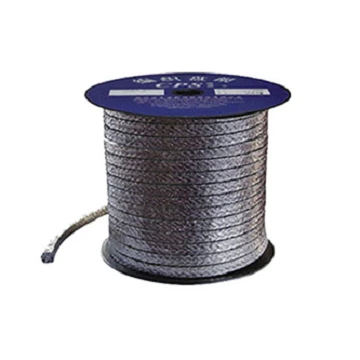
Aramid fiber braided packing is a type of sealing material designed for various industrial applications where effective and reliable sealing is crucial. Aramid fibers, such as Kevlar®, are the primary component of this packing. These fibers are renowned for their exceptional tensile strength, resistance to abrasion, and durability. The aramid fibers are typically braided into a packing configuration, creating a flexible and robust sealing solution.The unique properties of aramid fibers contribute to the packing's ability to withstand demanding conditions, making it suitable for applications involving high pressures, temperatures, and dynamic movements. Aramid Fiber Braided Packing exhibits excellent resistance to wear and tear, making it ideal for use in pumps, valves, and other equipment where sealing integrity is essential.
Advantages of Aramid Fiber Braided Packing
Aramid Fiber Braided Packing is highly resistant to abrasion and wear. This makes it particularly well-suited for applications involving dynamic movements, such as pumps and valves, where the sealing material is subjected to continuous friction and contact with moving parts.
Aramid fibers possess excellent chemical resistance, providing stability in the presence of various chemicals and fluids. Aramid Fiber Braided Packing can maintain its integrity when exposed to a range of corrosive substances, making it suitable for diverse industrial applications.
The versatility of Aramid Fiber Braided Packing allows it to be used in a wide range of applications, including pumps, valves, mixers, and other equipment. Its adaptability to different operating conditions and sealing requirements makes it a versatile choice for various industries.
The braided construction enhances the flexibility and conformability of Aramid Fiber Braided Packing. This flexibility allows the packing to conform to irregularities in sealing surfaces, ensuring an effective seal even in applications with non-uniform mating surfaces.
The primary components of Aramid Fiber Braided Packing include aramid fibers, which are synthetic fibers known for their exceptional strength and durability. Aramid fibers, with Kevlar® being a well-known example, are the fundamental building blocks of the packing. These fibers are typically woven or braided into a packing configuration to create a flexible and robust sealing material.Aramid fibers are characterized by their high tensile strength, resistance to abrasion, and chemical stability. These properties make them ideal for applications where reliable and durable sealing is crucial, such as in pumps, valves, and other industrial equipment.In addition to aramid fibers, the packing may also contain other materials or additives depending on the specific formulation. These additional components could include lubricants, coatings, or other enhancements designed to improve the packing's performance in certain operating conditions.The combination of aramid fibers and the braided construction forms the primary components of Aramid Fiber Braided Packing, providing the material with its strength, flexibility, and suitability for a wide range of sealing applications in industrial settings.

How Does Aramid Fiber Braided Packing Withstand High Pressures in Industrial Equipment
Exceptional tensile strength
Aramid fibers are renowned for their exceptional tensile strength. This property allows the fibers to resist stretching or breaking under high pressures, providing the packing with the structural integrity needed to withstand the forces exerted during compression.
Robust and durable structure
The braided construction of Aramid Fiber Braided Packing creates a robust and durable structure. This configuration distributes the load evenly across the packing, preventing localized weaknesses and ensuring that the material can maintain its integrity even when subjected to significant pressure.
Resistance to deformation
Aramid fibers exhibit resistance to deformation, allowing the packing to maintain its shape and sealing capabilities under pressure. This property is crucial for preventing extrusion or blowout, common issues in applications with high-pressure environments.
Conformability to sealing surfaces
The flexibility and conformability of the braided packing enable it to adapt to the sealing surfaces, forming a tight and effective seal even under high pressures. This adaptability helps prevent leaks and ensures the packing conforms to the irregularities of the equipment components.
Chemical stability
Aramid fibers possess chemical stability, making them resistant to degradation when exposed to various fluids and chemicals. This chemical resistance ensures that the packing remains structurally sound even in demanding industrial environments where high pressures are accompanied by potentially corrosive substances.
Versatility in high-pressure applications
Aramid Fiber Braided Packing is specifically designed for versatility in high-pressure applications. It is commonly used in pumps, valves, and other equipment where maintaining a secure seal under substantial pressure is essential for efficient and safe operation.
Things to Note When Using Aramid Fiber Braided Packing
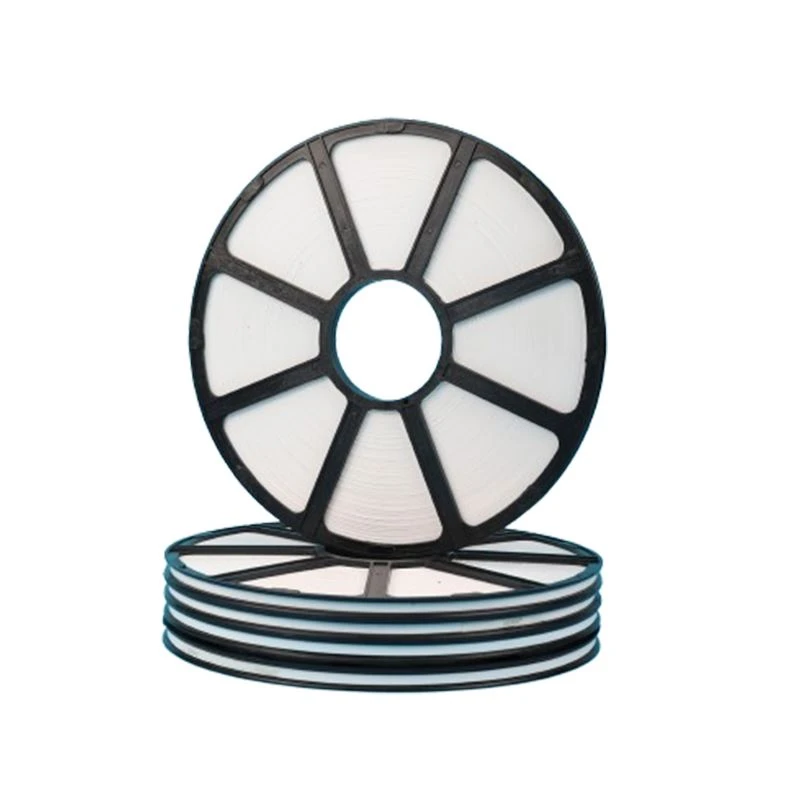

When using Aramid Fiber Braided Packing, there are several important considerations and best practices to ensure optimal performance and longevity. Here are some key things to note when using Aramid Fiber Braided Packing:
Compatibility with fluids
Ensure that the Aramid Fiber Braided Packing is compatible with the fluids or media present in the application. While aramid fibers are generally chemically stable, it's essential to confirm compatibility to prevent any adverse reactions.
Operating temperature and pressure
Verify that the packing is suitable for the operating temperature and pressure conditions of the specific application. Aramid Fiber Braided Packing is known for its versatility, but selecting the appropriate variant ensures optimal performance and longevity.
Surface preparation
Prepare the sealing surfaces properly before installing the packing. Clean surfaces free from debris, rust, or old gasket material ensure a proper seal and prevent premature wear of the packing.
Proper size and dimensions
Use the correct size and dimensions of Aramid Fiber Braided Packing based on the equipment specifications. Proper sizing is crucial for achieving the right compression and ensuring an effective seal.
Cutting and handling
Use sharp, clean tools to cut the packing to the required length. Handle the packing carefully to avoid damage. When cutting, ensure that the ends are square to the shaft or valve stem to prevent gaps in the sealing surface.
Installation techniques
Follow the recommended installation techniques provided . This may include specific instructions on the number of rings or layers to use, as well as the correct tightening sequence for gland bolts.
Initial compression
Apply initial compression gradually to allow the Aramid Fiber Braided Packing to seat properly. Tighten the gland bolts or fasteners evenly and in a cross-pattern to distribute the load uniformly. Avoid over-tightening.
Adjustments and monitoring
After initial compression, allow the equipment to operate for a short period, and then check for any adjustments needed. If leakage occurs, consider retightening the gland bolts gradually. Monitor the equipment for any signs of leakage during operation.
Lubrication
Some Aramid Fiber Braided Packing materials may benefit from the application of a compatible lubricant. Check with the manufacturer for specific recommendations on lubrication, and apply as instructed if necessary.
Environmental considerations
Consider any environmental factors, such as exposure to UV radiation, moisture, or extreme weather conditions. Choose Aramid Fiber Braided Packing with properties that align with the specific environmental challenges of the application.
How Can I Prolong the Life of My Aramid Fiber Braided Packing
Proper installation: Ensure that the Aramid Fiber Braided Packing is installed correctly according to manufacturer guidelines. Proper installation is critical for effective sealing and preventing premature wear.
Surface preparation: Before installing the packing, make sure the sealing surfaces are clean, smooth, and free of any debris. This helps prevent damage to the packing and ensures a secure seal.
Correct packing size: Choose the correct size of Aramid Fiber Braided Packing for your application. Using the right size minimizes friction and wear, extending the packing's lifespan.
Optimal compression: Avoid over-compression of the packing, as excessive pressure can lead to accelerated wear. Follow the manufacturer's recommendations for compression levels to balance effective sealing with longevity.
Regular Inspection: Periodically inspect the packing for signs of wear, damage, or leakage. Catching issues early allows for timely replacements and prevents more extensive damage.
Temperature and chemical Compatibility: Be aware of the operating conditions, including temperature and exposure to chemicals. Ensure that the Aramid Fiber Braided Packing is suitable for the specific environment to which it is exposed.
Proper lubrication: Some packing materials benefit from proper lubrication to reduce friction and heat. Check with the manufacturer to determine if lubrication is recommended and use compatible lubricants if necessary.
Avoid shaft misalignment: Ensure that shafts are properly aligned to prevent unnecessary stress on the packing. Misalignment can lead to uneven wear and reduce the packing's lifespan.
Consider environmental factors: If the packing is exposed to extreme environmental conditions, such as high humidity or UV radiation, take preventive measures or choose a packing material that can withstand these conditions.
1.Raw material preparation
The process begins with the preparation of raw materials, primarily aramid fibers. Aramid fibers, such as Kevlar®, are selected for their high tensile strength, chemical resistance, and durability. The fibers may be obtained in the form of yarns or strands.
2.Braiding or weaving
The aramid fibers are fed into braiding or weaving machines. The machines interlace the fibers to create a braided or woven structure. The specific pattern and density of the braid contribute to the packing's flexibility, strength, and conformability.
3.Impregnation
In some cases, the braided or woven aramid structure may undergo impregnation with lubricants, coatings, or other additives. This step can enhance the packing's performance by improving its resistance to abrasion, reducing friction, or providing additional sealing properties.
04
Braided packing formation
The braided aramid structure is then formed into the desired packing configuration. This can involve shaping the braided material into rings, coils, or other forms suitable for specific sealing applications. The packing may also be cut to the required lengths.
05
Quality control
Quality control measures are implemented throughout the manufacturing process. This includes monitoring the consistency of the braided structure, checking for uniformity in density, and ensuring that the packing meets specified dimensional and performance standards.
06
Packing treatment
Depending on the specifications, the Aramid Fiber Braided Packing may undergo additional treatments or processes to enhance its properties. This could include heat-setting to stabilize the structure or applying coatings for added protection.
07
Packaging and storage
The finished Aramid Fiber Braided Packing is packaged for distribution. Proper packaging helps protect the packing from environmental factors and ensures that it reaches end-users in optimal condition. Storage guidelines may also be provided to maintain the packing's integrity before use.
How to Maintain Aramid Fiber Braided Packing
Regular inspection
Periodically inspect the Aramid Fiber Braided Packing for signs of wear, damage, or extrusion. Check for leaks or reduced sealing effectiveness. Regular inspections allow for early detection of issues and prompt corrective action.
Monitor operating conditions
Keep track of the operating conditions, including temperature, pressure, and the nature of the sealed media. Ensure that the packing is within its specified operating limits. Any significant changes in operating conditions should be considered when assessing the packing's performance.
Adjust compression
If the equipment allows for adjustment, monitor the compression of the packing regularly. Adjust the gland or compression system as needed to maintain the recommended compression level. Proper compression is crucial for sealing effectiveness.
Address abrasive environments
In applications with abrasive substances, take measures to minimize wear on the packing. Consider implementing filtration or sediment control systems to reduce the impact of abrasive particles on the packing material.
Lubrication
Follow the recommendations regarding the use of lubricants. Some Aramid Fiber Braided Packing variants may benefit from the application of compatible lubricants to reduce friction and enhance sealing performance.
Handle with care during installation
Exercise care during the installation or replacement of Aramid Fiber Braided Packing. Use proper tools and techniques to avoid damage to the packing. Follow the manufacturer's guidelines for correct installation procedures.
Address shaft or valve stem conditions
Ensure that the shaft or valve stem surfaces are in good condition. Smooth, clean surfaces reduce the risk of packing damage and contribute to effective sealing. Address any issues with shafts or stems promptly.
Replace worn or damaged packing
If the Aramid Fiber Braided Packing shows significant wear, damage, or loss of sealing effectiveness, replace it promptly. Continuing to operate with worn packing can lead to increased leakage and potential equipment damage.