

Sealing Material
NINGBO AIKE SEALING MANUFACTURE CO., LTD
The company was founded in 1980 and is located in Ningbo, China. Our company specializes in the development and production of sealing gaskets and other sealing materials for petroleum, chemical, electric power, shipbuilding and machinery manufacturing industries.AIKE is one of the largest privately gasket, seal, and packing manufacturers in the China. Our mission is to provide industry-leading safety sealing and attachment solutions through our valued quality products, our exceptional service, and our culture of never-ending continuous improvement.
Why Choose Us
Our Mission
Our mission is to provide industry-leading safety sealing and attachment solutions through our valued quality products, our exceptional service, and our culture of never-ending continuous improvement.
Product Application
Petrochemical Industry, Oil & Gas, Shipbuilding, Metallurgy, Electric Power, Renewable Energy, Papermaking, Medicine.
Production Equipment
Cnc Machine, Punch Machine, Laser Cutting Machine, Spiral Wound Machine,Water Cutting Machine, Kammprofile Machine.
Our Product
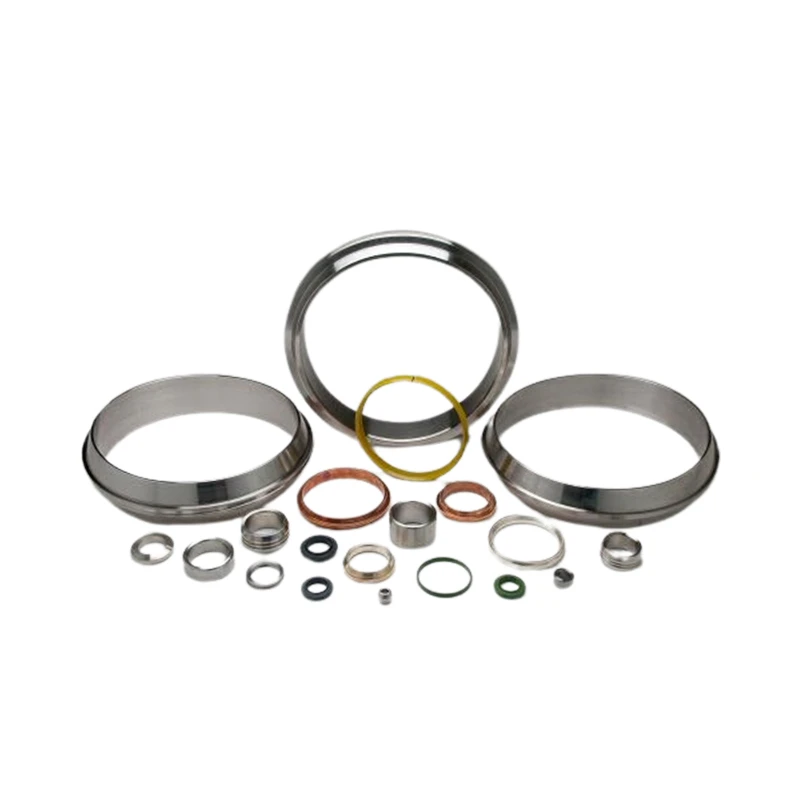
Sealing Gasket, Sealing Packing, Sealing Sheet, Sealing Raw Material,Sealing Machine.
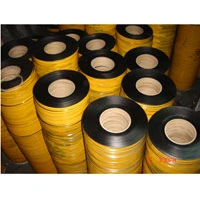
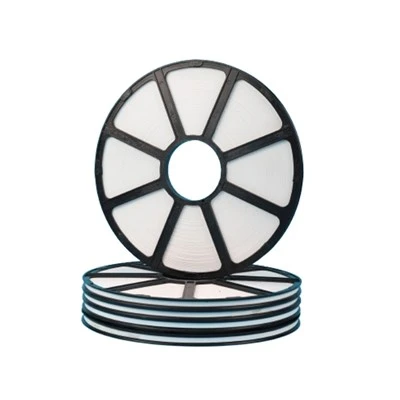
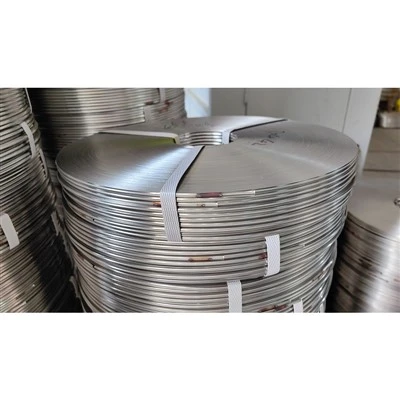
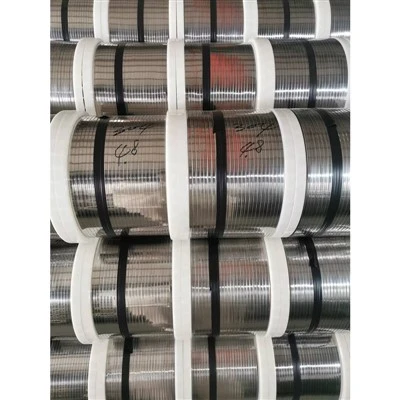
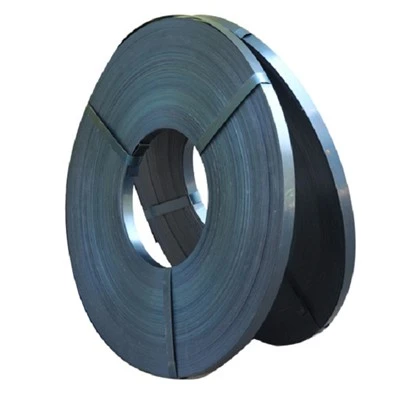
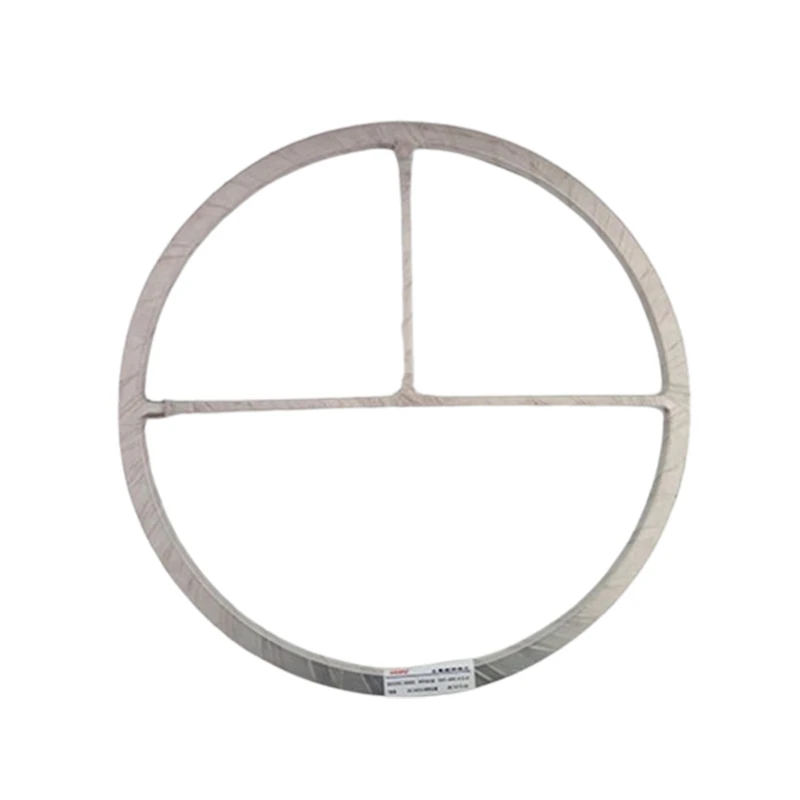
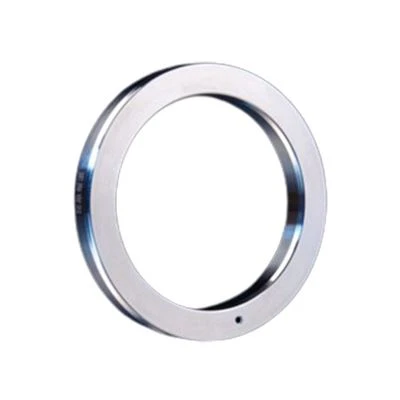
Graphite tape is a specialized sealing material that consists of a thin, flexible strip made from high-quality graphite. Known for its exceptional thermal and chemical resistance, as well as self-lubricating properties, graphite tape is widely used in various industrial applications. The tape is often reinforced with metallic or non-metallic inserts to enhance its strength and stability.One of the key characteristics of graphite tape is its ability to withstand extreme temperatures and pressures, making it suitable for use in challenging environments such as high-temperature sealing applications. The self-lubricating nature of graphite minimizes friction, contributing to its effectiveness in dynamic sealing applications where movement is involved.

Advantages of Graphite Tape
High temperature resistance
Graphite tape exhibits exceptional resistance to high temperatures, making it well-suited for applications in extreme thermal environments. It maintains its structural integrity and sealing performance at elevated temperatures, providing reliable sealing solutions in conditions where other materials might degrade.
Chemical compatibility
Graphite tape demonstrates excellent chemical resistance, making it compatible with a wide range of corrosive chemicals and aggressive substances. This chemical inertness allows graphite tape to maintain its sealing effectiveness in challenging industrial environments where exposure to various fluids is common.
Self-lubricating properties
The self-lubricating nature of graphite tape minimizes friction and wear, enhancing its performance in dynamic sealing applications. This property reduces the risk of galling and ensures smooth operation in components like valve stems and packing rings, contributing to longer equipment life.
Conformability to irregular surfaces
Graphite tape is highly conformable, allowing it to adapt to irregular surfaces and provide an effective seal. This flexibility makes it versatile for use in diverse sealing applications, ensuring a secure and tight fit even on uneven or textured surfaces.
Versatility in applications
Graphite tape finds application in various sealing solutions, including gaskets, packing rings, and valve stem packing. Its versatility makes it a preferred choice in industries such as petrochemical, chemical processing, and manufacturing, where reliable sealing is crucial for operational efficiency.
How to Choose Graphite Tape
Application requirements
Identify the specific requirements of your application. Consider factors such as temperature, pressure, media exposure, and environmental conditions. Different graphite tapes have varying capabilities, and choosing based on your application needs is essential.
Temperature resistance
Evaluate the temperature range of your application. Graphite tape is known for its high-temperature resistance. Ensure that the selected tape can withstand the temperatures involved without losing its integrity or performance.
Chemical compatibility
Consider the chemicals or substances the graphite tape will come into contact with. Graphite is generally resistant to many chemicals, but it's essential to verify compatibility with specific media to prevent degradation or loss of sealing effectiveness.
Pressure requirements
Determine the pressure conditions in your application. Different graphite tapes may have varying compression capabilities. Ensure that the selected tape can handle the required pressure to maintain a reliable seal.
Surface finish and roughness
Examine the surface finish and roughness of the mating surfaces where the graphite tape will be applied. Some tapes are better suited for uneven or rough surfaces, providing a better seal.
Conductive or non-conductive
Decide whether you need a conductive or non-conductive graphite tape. Graphite is inherently conductive, and if electrical conductivity is a concern, choose a tape designed for such applications.
Flexibility and conformability
Assess the flexibility and conformability of the graphite tape. Depending on your application, you may need a tape that easily conforms to irregular shapes or surfaces for optimal sealing performance.
Thickness and width
Consider the thickness and width of the graphite tape. The thickness should match the gap or space it needs to seal, and the width should be appropriate for the sealing surface.
Adhesive backing
Determine if you need graphite tape with adhesive backing. Adhesive-backed tapes are convenient for easy installation and can provide additional stability.
Abrasion resistance
If your application involves potential abrasion or wear, select a graphite tape with good abrasion resistance to ensure a longer lifespan and sustained sealing effectiveness.
How Is Graphite Tape Made
Material selection
The process begins with the selection of high-quality graphite material. Graphite is chosen for its unique properties, including high temperature resistance, chemical inertness, and self-lubricating characteristics.
Graphite preparation
The selected graphite is then processed and prepared for tape manufacturing. This may involve crushing, milling, or other methods to achieve the desired particle size and consistency.
Formulation and Mixing
The prepared graphite is often mixed with binders and other additives to create a homogeneous mixture. The specific formulation may vary depending on the desired properties of the final graphite tape.
Extrusion or calendering
The graphite mixture is then processed through extrusion or calendering machines. Extrusion involves forcing the mixture through a die to create a continuous shape, while calendering uses rollers to flatten and shape the material into a sheet or tape. This step helps achieve the desired thickness and width of the graphite tape.
Reinforcement
Depending on the application and specific requirements, the graphite tape may be reinforced with metallic or non-metallic inserts to enhance its strength and stability. Reinforcement materials, such as stainless steel or fiberglass, are embedded into the tape during the manufacturing process.
Cutting and shaping
The continuous graphite tape is then cut into the desired lengths or shapes. Precision cutting ensures uniformity and consistency in the final product.
Surface treatment
Surface treatments or coatings may be applied to the graphite tape to enhance specific properties, such as improving resistance to oxidation, reducing friction, or providing additional chemical resistance.
Quality control
The manufactured graphite tape undergoes rigorous quality control checks to ensure that it meets the specified standards and requirements. This may involve testing for thickness, density, tensile strength, and other relevant properties.
How Does Graphite Tape Compare to Other Tapes
Material composition
Graphite Tape: Composed of layers of graphite, a form of carbon with excellent thermal conductivity and lubricating properties.
Other Tapes: Various tapes can be made from materials like PTFE (Teflon), rubber, silicone, or fiberglass.
Temperature resistance
Graphite Tape: Known for high-temperature resistance, making it suitable for applications involving extreme heat.
Other Tapes: Temperature resistance varies among different materials. PTFE tapes, for instance, also offer high-temperature resistance.
Lubricating properties
Graphite Tape: Exhibits natural lubricating properties, reducing friction and wear in applications like seals and gaskets.
Other Tapes: Lubricating tapes may contain additives or coatings to enhance slipperiness and reduce friction.
Thermal conductivity
Graphite Tape: High thermal conductivity allows for effective heat dissipation, making it suitable for thermal management applications.
Other Tapes: Thermal conductivity varies; materials like PTFE and silicone may have different thermal properties.
Sealing and gasket applications
Graphite Tape: Widely used in sealing and gasket applications due to its ability to conform to surfaces and resist leaks.
Other Tapes: Tapes made of rubber or silicone may also be used for sealing, but the choice depends on specific requirements.
Chemical resistance
Graphite Tape: Generally resistant to chemicals, making it suitable for various industrial environments.
Other Tapes: Chemical resistance varies among different tape materials, and some may degrade in the presence of certain chemicals.
Electrical conductivity
Graphite Tape: Exhibits electrical conductivity, making it suitable for applications where electrical grounding or conduction is required.
Other Tapes: Some tapes may be insulating, while others may have limited electrical conductivity.
Flexibility and conformability
Graphite Tape: Flexible and can conform to irregular surfaces, enhancing its versatility in different applications.
Other Tapes: Flexibility varies; materials like silicone tapes are known for their flexibility and conformability.
Resistance to compression set
Graphite Tape: Generally resistant to compression set, maintaining its shape and effectiveness over time.
Other Tapes: Resistance to compression set varies among materials, with some tapes experiencing deformation under prolonged pressure.
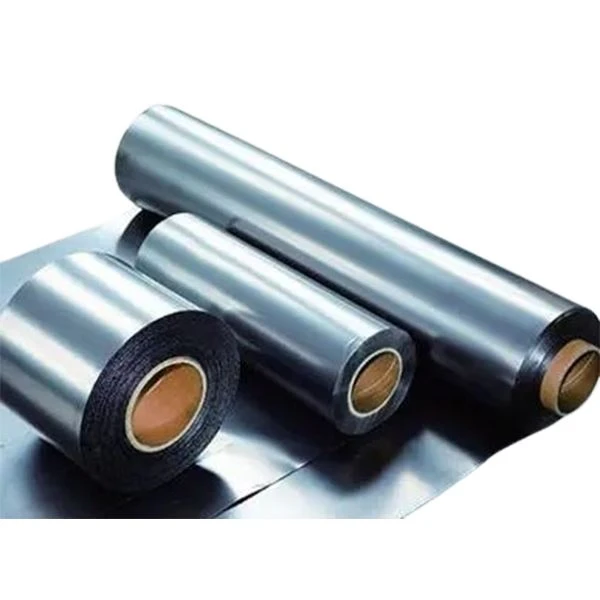
How Do You Apply Graphite Tape to Surface
Prepare the surface
Ensure that the surface is clean, dry, and free from any contaminants, such as grease or debris. If needed, use a surface cleaner or degreaser to remove any substances that may affect the adhesion of the graphite tape.
Trim excess tape
Trim any excess tape using cutting tools to achieve a neat and precise fit. This is especially important for applications where aesthetics are a concern.
Smooth the tape
If needed, use a roller or a flat tool to smooth the graphite tape onto the surface. This helps ensure good contact and adhesion. Pay attention to edges and corners to prevent lifting.
Cut the graphite tape
Measure and cut the graphite tape to the desired length. Use appropriate cutting tools such as scissors or a utility knife to achieve clean and precise cuts. If the tape has a backing, peel off the protective backing to expose the adhesive side.
Overlapping and sealing joints
If you are applying multiple strips of graphite tape or sealing joints, make sure to overlap the edges slightly to create a continuous seal. Press down firmly to ensure a secure bond between overlapping sections.
Position the graphite tape
Carefully position the graphite tape onto the surface, aligning it according to the intended application. Take care to apply the tape evenly and avoid wrinkles or bubbles. If the tape is self-adhesive, press it firmly onto the surface.
Allow for adhesive cure
If the graphite tape has an adhesive that requires curing or setting, allow the recommended time for the adhesive to bond with the surface. Follow the manufacturer's guidelines for curing times.
How Do You Cut Graphite Tape to Size
Cutting graphite tape to size can be done using various tools and methods. The choice of method depends on the thickness of the tape, precision required, and the specific application. Here are several common methods for cutting graphite tape:
Utility knife or box cutter
For thin graphite tape, a utility knife or box cutter with a sharp blade can be effective. Place the tape on a flat surface, use a straight edge or ruler as a guide, and carefully make repeated cuts along the desired length.
Scissors
Scissors can be suitable for cutting thin graphite tape, especially if precision is not critical. Ensure the scissors are sharp, and use them to make clean cuts along the marked line.
Shears or snips
Hand shears or snips designed for cutting sheet materials can be used for graphite tape. These tools provide a more controlled cut, especially in applications where curves or intricate shapes are needed.
Rotary cutter
A rotary cutter, commonly used for fabric and crafting, can be effective for cutting graphite tape. This tool allows for precision cuts and is suitable for both straight and curved lines.
Jigsaw
A jigsaw with a fine-toothed blade designed for cutting soft materials can be used for thicker graphite tape or for achieving more complex cuts and shapes. This power tool is versatile and suitable for various applications.
Laser cutting
In industrial settings, laser cutting machines can be used for precision cutting of graphite tape. This method allows for intricate designs and accurate cuts. However, it is more commonly used for larger-scale or automated production processes.
Before cutting graphite tape, consider the following tips:
- Safety Gear: Wear appropriate safety gear, including gloves and eye protection, to protect yourself during the cutting process.
- Surface Support: Ensure the graphite tape is adequately supported on a stable surface to prevent uneven cuts.
- Marking: Clearly mark the cutting line using a straight edge or template to guide your cutting tool.
- Blade Sharpness: Use sharp blades or cutting tools to achieve clean cuts and prevent unnecessary tearing or deformation of the graphite tape.
- Test Cuts: Before making the final cut, perform a test cut on a small section to ensure the chosen method and tool are suitable for the graphite material.
How Do You Determine the Electrical Resistance of Graphite Tape
Determining the electrical resistance of graphite tape involves conducting a specific measurement to quantify its electrical conductivity. Here's a general guide on how to determine the electrical resistance of graphite tape:
Graphite Tape: The sample of graphite tape whose electrical resistance needs to be measured.
Multimeter: A digital multimeter capable of measuring resistance.
Test Leads: The multimeter's test leads for making electrical connections.
Preparation
Ensure that the graphite tape is clean and free from any contaminants that could affect the accuracy of the measurement.
Set the multimeter to the resistance measurement mode. On most multimeters, this is denoted by the symbol "Ω" for ohms.
Cut a small, representative piece of graphite tape.
Connect one test lead to one end of the graphite tape and the other test lead to the opposite end, ensuring good electrical contact.
Read the resistance value displayed on the multimeter. The unit of measurement is ohms (Ω).
To ensure accuracy, it's a good practice to take multiple measurements at different points on the graphite tape and calculate the average resistance.
Compare the measured resistance with the requirements or specifications for the intended application. Understanding the acceptable range of resistance is crucial for determining if the graphite tape meets the desired electrical conductivity characteristics.
Temperature: Electrical resistance can be temperature-dependent. If the graphite tape will operate in varying temperatures, consider conducting measurements at different temperatures to assess any changes in resistance.
Environmental factors: Ensure that the testing environment is free from humidity or moisture, as these factors can affect electrical conductivity.
Quality control: For critical applications, it may be essential to implement a quality control process to ensure consistency in electrical properties across different batches of graphite tape.
Calibration: Regularly calibrate the multimeter to maintain measurement accuracy.
Low Resistance: A low resistance reading indicates good electrical conductivity. This may be desirable in applications where high electrical conductivity is essential.
High resistance: A higher resistance reading may be acceptable depending on the application. However, it's crucial to ensure that the resistance falls within the specified range for the intended use.
Polytetrafluoroethylene tape is a versatile and widely used sealing material known for its exceptional non-stick properties and high chemical resistance. The tape is manufactured by applying a thin layer of PTFE to a flexible substrate, such as fiberglass or a silicone-coated release liner, to create a tape-like form.One of the key characteristics of PTFE tape is its outstanding resistance to heat and chemicals. It can withstand a broad range of temperatures, from extremely low to high, without undergoing significant changes in its physical or chemical properties. This makes PTFE tape suitable for use in various industrial applications, including sealing and wrapping applications in the presence of corrosive chemicals.
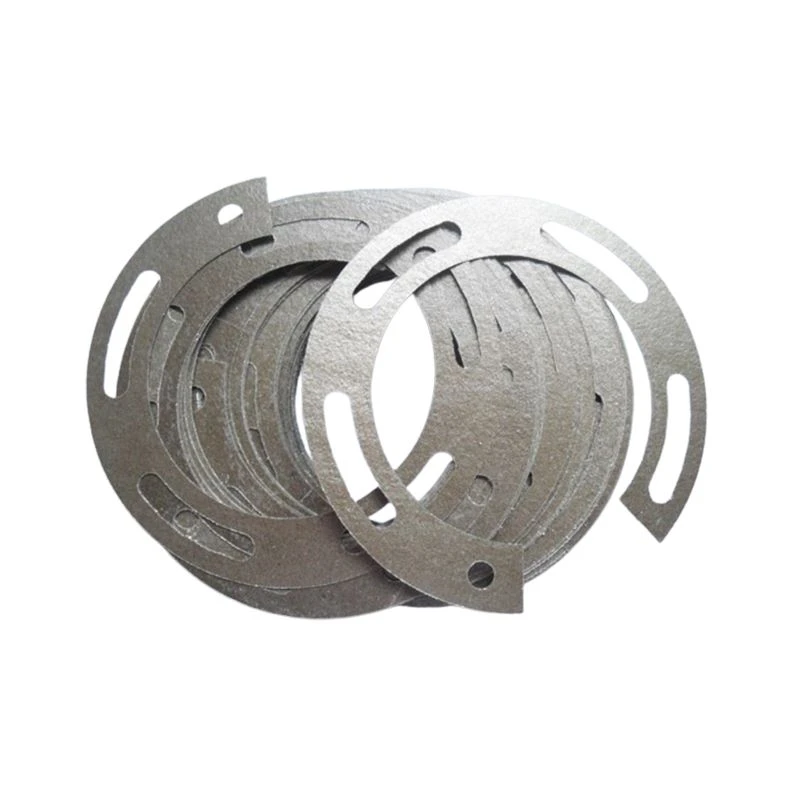
Advantages of Ptfe Tape
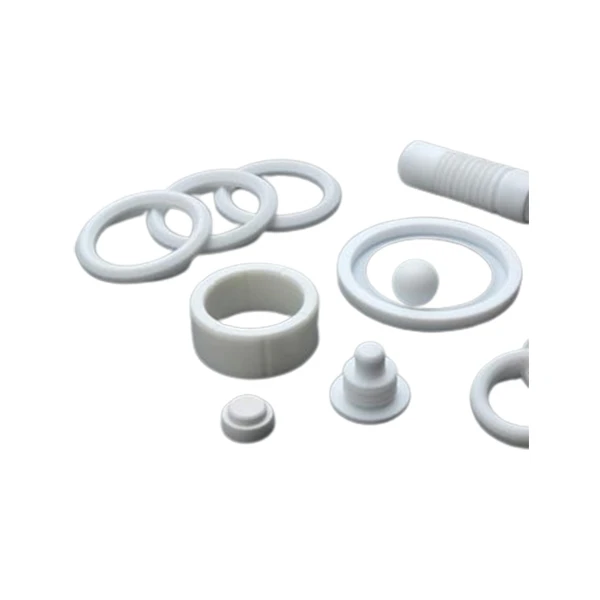
Excellent chemical resistance
PTFE tape exhibits exceptional resistance to a wide range of chemicals, acids, and corrosive substances. This chemical inertness makes it an ideal choice for sealing applications in industries where exposure to aggressive fluids is common.
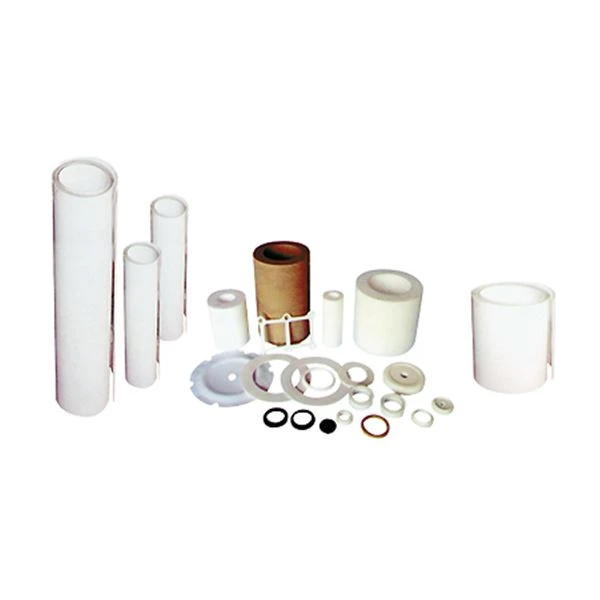
High temperature stability
PTFE tape can withstand extreme temperatures without undergoing significant changes in its physical or chemical properties. This high-temperature stability makes it suitable for applications in both low-temperature and high-temperature environments, ensuring reliable performance under diverse thermal conditions.

Versatility in sealing applications
PTFE tape is widely used as a sealing material in various applications, including plumbing, where it is wrapped around threaded connections to create a secure and leak-resistant seal. Its versatility extends to gasketing and sealing applications in industries such as manufacturing and chemical processing.

Electrical insulation properties
PTFE is an excellent electrical insulator. PTFE tape is used in electrical applications to insulate wiring and components. Its electrical insulation properties, combined with chemical resistance, make it suitable for creating reliable barriers against moisture and chemicals in electrical systems.
Can Ptfe Tape Withstand High Temperatures
Yes, PTFE (Polytetrafluoroethylene) tape is well-known for its exceptional ability to withstand high temperatures. PTFE is a synthetic fluoropolymer of tetrafluoroethylene and exhibits remarkable thermal stability and resistance. Here's why PTFE tape is suitable for use in high-temperature environments:
High melting point
PTFE has a very high melting point, typically around 327 degrees Celsius (621 degrees Fahrenheit). This high melting point ensures that the material remains stable and retains its structural integrity at elevated temperatures.
Thermal stability
PTFE maintains its properties over a wide temperature range, from extremely low temperatures to very high temperatures. This thermal stability makes PTFE tape suitable for applications where exposure to heat is a concern.
Low coefficient of thermal expansion
PTFE has a low coefficient of thermal expansion, meaning it does not significantly change in size or shape with temperature fluctuations. This characteristic contributes to the material's stability under varying thermal conditions.

Heat resistance
PTFE is highly resistant to heat, which makes PTFE tape an ideal choice for applications involving hot gases, liquids, or steam. It can be used in environments where other materials might degrade or lose their effectiveness at high temperatures.
Chemical inertness
PTFE is chemically inert and does not react with most chemicals, further enhancing its suitability for high-temperature applications. This inert nature ensures that PTFE tape remains stable when exposed to a variety of substances.
Non-flammable
PTFE is non-flammable and does not support combustion. This property makes PTFE tape a safe option for use in applications where exposure to high temperatures and potential fire hazards is a concern.
What Is the Thickness Range of Ptfe Tape
The thickness range of PTFE tape can vary based on the specific application and manufacturing specifications. PTFE tape is available in a broad range of thicknesses, typically measured in mils or micrometers, to accommodate diverse sealing requirements across various industries. Common thickness ranges for PTFE tape fall within the spectrum of 0.05 mil (0.00127 mm) to 10 mil (0.254 mm) or even thicker in certain specialized applications.
Thin PTFE tapes, often in the lower end of the thickness range, are commonly used for applications where a precise and minimal seal is required. These thin tapes offer flexibility and conformability, making them suitable for delicate or intricate sealing tasks. On the other hand, thicker PTFE tapes are employed in applications that demand robust sealing, greater thread coverage, or enhanced durability.
In plumbing and pipe sealing applications, for example, PTFE tapes with thicknesses around 3 to 5 mils are frequently used. These tapes strike a balance between providing sufficient material for an effective seal and ensuring ease of application. Thicker variants of PTFE tape find use in more demanding applications where additional strength and resilience are necessary.
Often produce PTFE tape in various thickness options to cater to the specific needs of different industries and applications. The versatility in thickness allows users to select the most suitable PTFE tape for their particular sealing requirements, ensuring optimal performance in diverse conditions. Whether applied for thread sealing, gasketing, or insulating purposes, the thickness range of PTFE tape provides a customizable solution for achieving reliable and efficient seals across a wide spectrum of industrial applications.
Can Ptfe Tape Be Used in High-Pressure Applications
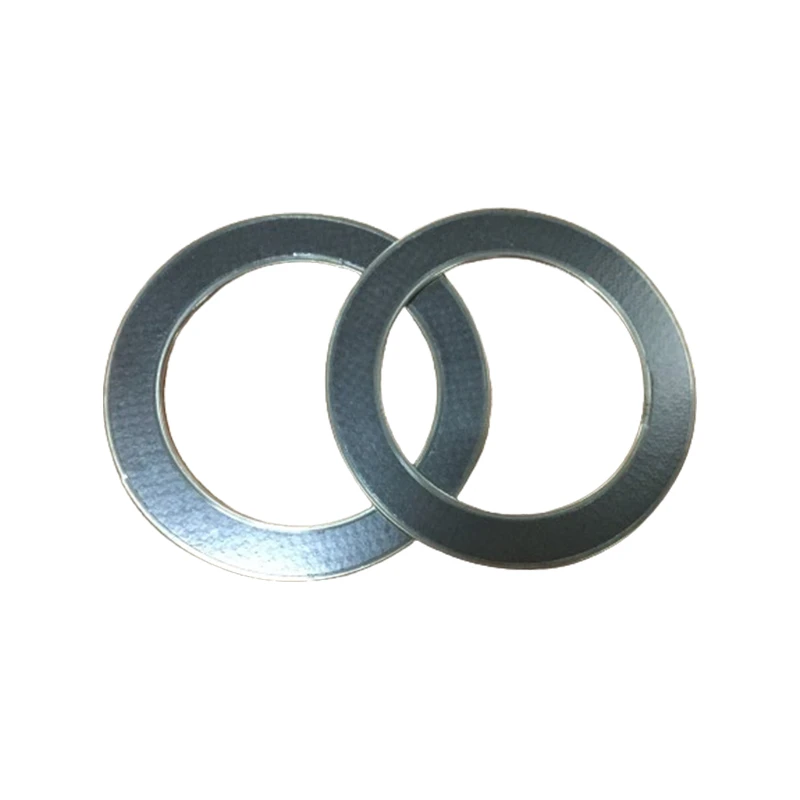
Yes, PTFE tape can be used in high-pressure applications, and it is commonly employed for this purpose due to its unique properties. PTFE, or polytetrafluoroethylene, is a fluoropolymer known for its excellent chemical resistance, high temperature stability, and low friction coefficient. These characteristics make PTFE tape well-suited for sealing applications in environments with elevated pressures.
Here are key reasons why PTFE tape is suitable for high-pressure applications:
Chemical resistance
PTFE tape is highly resistant to a wide range of chemicals, including corrosive substances. This chemical inertness ensures that the tape maintains its integrity and sealing properties even in environments where exposure to aggressive fluids is prevalent.
High temperature stability
PTFE exhibits exceptional stability at high temperatures, maintaining its structural integrity without significant changes. This characteristic allows PTFE tape to perform reliably in applications where both high pressure and elevated temperatures are present, such as in industrial processes.
Non-stick properties
The non-stick properties of PTFE contribute to its effectiveness in high-pressure applications. The low friction coefficient minimizes resistance and facilitates a secure, leak-resistant seal without galling. This property is particularly advantageous in threaded connections, where the tape is often used for thread sealing.
Conformability and flexibility
PTFE tape is flexible and conforms well to irregular surfaces. This feature ensures that the tape adapts to the specific requirements of the application, creating a uniform seal that withstands the pressure exerted on the joint.
Resistance to compression set
PTFE exhibits resistance to compression set, meaning it can maintain its shape and sealing properties even under prolonged pressure. This characteristic is crucial in high-pressure applications where the sealing material is subjected to continuous compression.
PTFE tape is commonly used in plumbing, hydraulic systems, and other industrial settings where high-pressure conditions are encountered. When applying PTFE tape in high-pressure applications, it is essential to follow proper installation techniques, such as wrapping the tape tightly around threaded connections to ensure a secure and leak-free seal. Additionally, selecting the appropriate thickness and quality of PTFE tape for the specific pressure and temperature conditions is crucial to achieving optimal performance.
Yes, there are specific storage considerations for PTFE (Polytetrafluoroethylene) tape to ensure its optimal performance and longevity. Proper storage helps maintain the material's properties and prevents any potential issues that may arise from improper handling. Here are some key storage considerations for PTFE tape:
Avoid exposure to sunlight: PTFE tape should be stored away from direct sunlight and UV radiation. Prolonged exposure to sunlight can lead to degradation of the material, affecting its properties.
Keep in a cool and dry place: Store PTFE tape in a cool, dry environment to prevent moisture absorption. PTFE is hydrophobic, but exposure to high humidity can affect the tape's performance, especially in applications where a dry seal is crucial.
Protect from extreme temperatures: While PTFE tape can withstand high temperatures during application, it is still advisable to store it within a temperature range specified by the manufacturer. Extreme temperature fluctuations can impact the tape's consistency and handling characteristics.
Avoid contact with chemicals: Keep PTFE tape away from contact with chemicals that may react with or degrade the material. The chemical inertness of PTFE can be compromised if it comes into contact with incompatible substances during storage.
Store in original packaging: Whenever possible, store PTFE tape in its original packaging. The packaging is designed to protect the tape from environmental factors and contaminants. If the original packaging is damaged, consider resealing the tape in a suitable airtight container.
Prevent creasing or folding: Avoid creasing or folding PTFE tape during storage. Creases and folds may affect the tape's uniformity and performance during application, particularly when used for sealing purposes.
Check shelf life: PTFE tape typically has a long shelf life, but it's essential to check the manufacturer's recommendations. Over time, even in storage, the tape may experience slight changes in properties.
Keep away from strong odors: PTFE is susceptible to absorbing odors. Store PTFE tape away from areas with strong odors or volatile substances that could be absorbed by the tape.
Regular inspection: Periodically inspect stored PTFE tape for any signs of damage, such as tears, punctures, or degradation. Damaged tape may not perform optimally and could compromise the effectiveness of seals.
Thread lubrication
PTFE tape serves as a lubricant when applied to the threads of pipes and fittings. This lubrication reduces friction during the tightening process, making it easier to achieve a tight seal without over-tightening.
Conformability
PTFE tape is highly conformable and can easily mold itself to the shape of the threads. As a result, it fills gaps and irregularities in the threads, creating a uniform and tight seal.
Thread sealing
PTFE tape is effective in sealing the threads of pipe connections. As the tape is wrapped around the male threads, it creates a barrier that prevents liquids and gases from escaping through the threaded joint.
Chemical inertness
PTFE is chemically inert and resistant to a wide range of chemicals. This property ensures that PTFE tape remains stable and does not degrade when in contact with various fluids, including corrosive substances.
Temperature Resistance
PTFE tape can withstand high temperatures without losing its integrity. This is crucial in applications where pipes may be exposed to hot fluids or steam, ensuring the tape remains effective in preventing leaks.
Compression and sealing
When the threaded components are tightened, the PTFE tape compresses to form a tight seal. This compression helps close any gaps between the threads, preventing leaks even under pressure.
Versatility
PTFE tape is versatile and can be used with various pipe materials, including metal and plastic. Its compatibility with different materials makes it a widely used sealing solution in plumbing applications.
Prevention of galvanic corrosion
PTFE tape acts as an insulator between dissimilar metals in threaded connections. This helps prevent galvanic corrosion, where the contact between different metals could lead to accelerated corrosion.
Ease of application
PTFE tape is easy to apply, making it a preferred choice for sealing threads quickly and efficiently. It is available in rolls, and the application process involves wrapping the tape around the male threads.
Reusability
In many cases, PTFE tape allows for the disassembly and reassembly of threaded connections without the need for replacement. The tape can be reused if the components are properly cleaned and the tape is in good condition.
Things to Note When Using Ptfe Tape
Dry and cool environment
Store PTFE tape in a dry and cool environment to prevent moisture absorption. Exposure to humidity can affect the tape's performance and make it more challenging to apply effectively.
Avoid direct sunlight
Keep PTFE tape away from direct sunlight. Prolonged exposure to UV radiation can potentially degrade the tape over time.
Protect from contaminants
Store PTFE tape away from contaminants such as dust, dirt, and chemicals. Keep the tape in its original packaging or a sealed container to prevent foreign particles from adhering to its surface.
Avoid extreme temperatures
While PTFE tape is known for its high-temperature resistance, it's advisable to store it away from extreme temperatures to ensure its optimal performance.
Vertical storage
Store PTFE tape in a vertical position to prevent deformation or flattening of the tape. This helps maintain its thickness and ensures consistent application.
Regular inspection
Periodically inspect stored PTFE tape for any signs of damage or deterioration. If the tape is stored for an extended period, check for changes in color, texture, or any irregularities.
Things to Note When Using PTFE Tape
Proper surface preparation
Ensure that the surfaces to be sealed with PTFE tape are clean, dry, and free from oil or grease. Proper surface preparation enhances the tape's adhesion and effectiveness.
Tightening adequately
While applying PTFE tape, ensure that the threaded components are tightened adequately to avoid leaks. The tape acts as a lubricant, making it easier to achieve a tight seal.
Check compatibility
Ensure that PTFE tape is compatible with the specific chemicals or substances it will come in contact with. While PTFE is chemically inert, it's essential to verify its suitability for the intended application.
Direction of wrapping
Apply PTFE tape in the direction of the threads to ensure a secure and tight seal. Wrapping in the opposite direction may cause the tape to unravel during installation.
Avoid overlapping
Avoid overlapping PTFE tape excessively, as this can lead to an uneven seal. A couple of wraps are usually sufficient to achieve an effective seal.
Trim excess tape
Trim any excess PTFE tape after wrapping to prevent it from protruding and potentially causing issues in the application.
Use in moderation
Use PTFE tape in moderation; excessive application may lead to over-tightening and potential damage to the threaded components.