

Sealing Machine
What is Sealing Machine
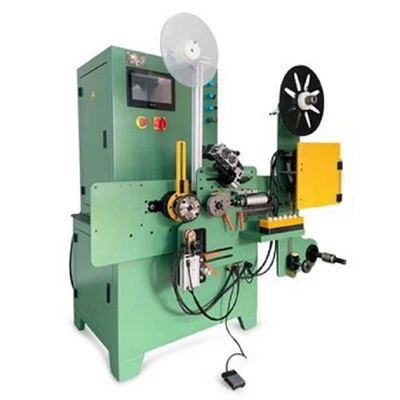
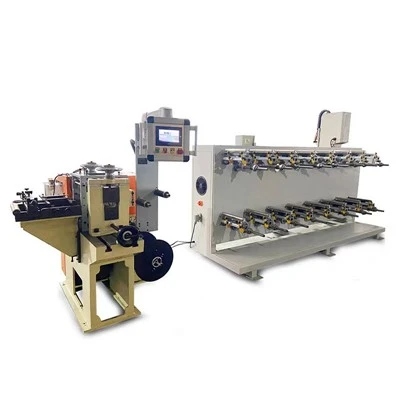
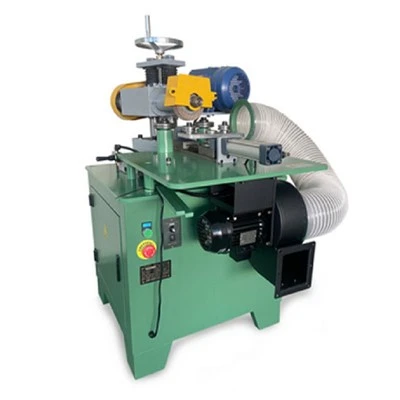
Sealing machine, also known as a sealer, is a mechanical device designed to securely seal various types of packaging materials, such as bags, pouches, or containers. These machines play a crucial role in the packaging industry by automating the sealing process, ensuring efficiency, consistency, and reliability in packaging operations.Sealing machines utilize various sealing methods, including heat sealing, pressure sealing, or ultrasonic sealing, depending on the type of packaging material and the desired seal strength. Heat sealing, for instance, involves the application of heat to melt the packaging material, creating a secure bond upon cooling. Pressure sealing utilizes pressure to create a tight seal, while ultrasonic sealing uses high-frequency vibrations to generate heat and bond the materials together.
Advantages of Sealing Machine
Increased efficiency
Sealing machines automate the packaging process, significantly increasing efficiency compared to manual sealing methods. These machines can handle a high volume of packaging operations, leading to faster production and reduced labor costs.
Consistent seal quality
Sealing machines ensure consistent and uniform sealing quality across all packaged items. The precision and repeatability of the sealing process contribute to the production of reliable and standardized seals, reducing the risk of leaks, contamination, or product damage.
Enhanced product protection
Sealing machines contribute to improved product protection by creating secure and airtight seals. This is particularly crucial for perishable goods, sensitive items, or products that require protection from external elements, such as moisture, air, or contaminants.
Reduced material waste
Automated sealing machines optimize the use of packaging materials, reducing waste compared to manual sealing methods. The precise control over the sealing process minimizes the risk of overuse or underuse of materials, contributing to cost savings and environmental sustainability.

Why Choose Us
Our Mission
Our mission is to provide industry-leading safety sealing and attachment solutions through our valued quality products, our exceptional service, and our culture of never-ending continuous improvement.
Product Application
Petrochemical Industry, Oil & Gas, Shipbuilding, Metallurgy, Electric Power, Renewable Energy, Papermaking, Medicine.
Production Equipment
Cnc Machine, Punch Machine, Laser Cutting Machine, Spiral Wound Machine,Water Cutting Machine, Kammprofile Machine.
Our Product
Sealing Gasket, Sealing Packing, Sealing Sheet, Sealing Raw Material,Sealing Machine.
Types of Sealing Machine
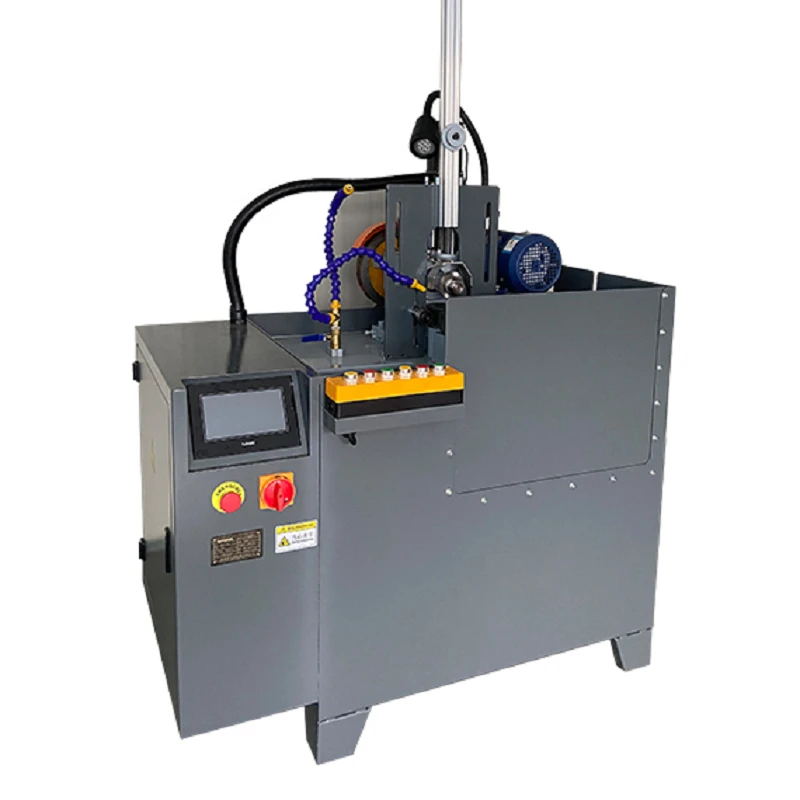
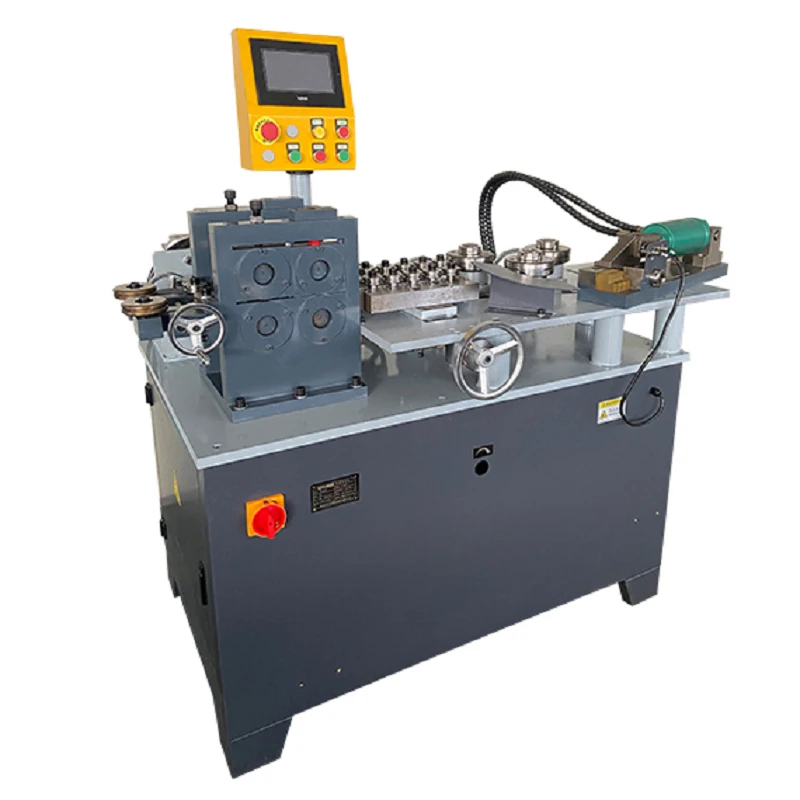
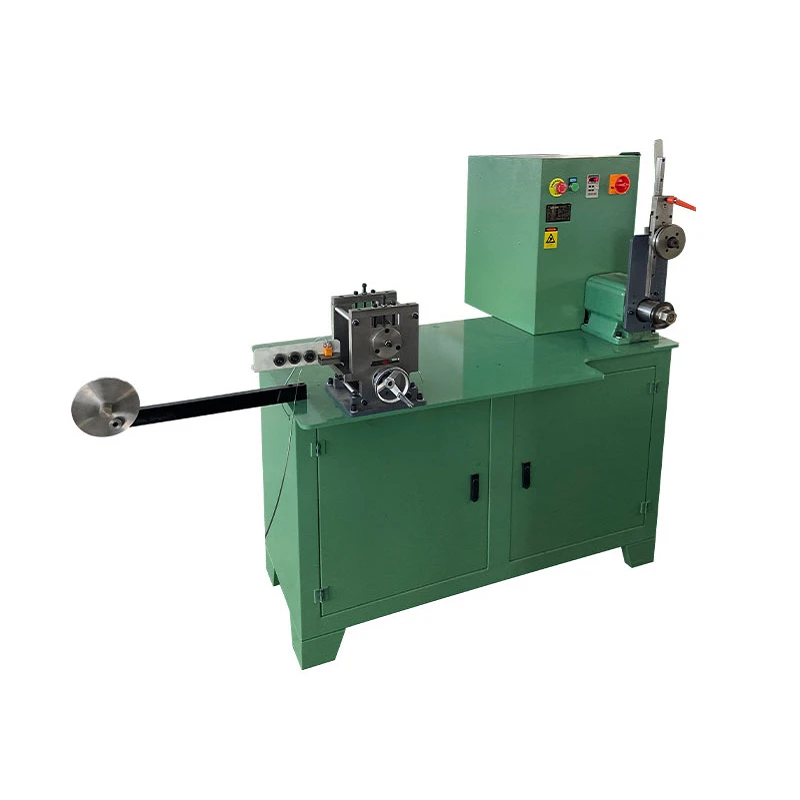
Continuous band sealers
Continuous band sealers are used for sealing bags in a continuous flow. They have a conveyor belt that moves the bags through the sealing process. These machines are efficient for high-volume packaging and provide airtight seals.
Impulse sealers
Impulse sealers are suitable for sealing individual bags or pouches. They use a heating element that is activated when the jaw is pressed down. Impulse sealers are versatile and commonly used for packaging food, electronics, and various consumer goods.
Vacuum sealers
Vacuum sealers remove air from the packaging before sealing, creating a vacuum inside the bag. This process helps extend the shelf life of perishable goods by reducing the oxygen content. Vacuum sealers are commonly used for food packaging.
Induction sealers
Induction sealers use electromagnetic induction to create a hermetic seal on containers with foil seals. These machines are often used for sealing bottles and jars containing liquids. Induction sealing provides tamper-evident and leak-proof seals.
Heat sealers
Heat sealers use heat to melt the packaging material, creating a secure bond upon cooling. These machines are versatile and can be used for sealing various materials, including plastics and films. Heat sealers are commonly used in both industrial and commercial settings.
Tube sealers
Tube sealers are designed specifically for sealing the ends of plastic or laminate tubes. These machines are commonly used in the pharmaceutical and cosmetics industries for packaging creams, ointments, and other products in tube form.
Ultrasonic sealers
Ultrasonic sealers use high-frequency vibrations to generate heat and create a bond between materials. These machines are often used in applications where heat or pressure sealing may not be suitable. Ultrasonic sealing is gentle on sensitive materials.
Cap sealers
Cap sealers are specialized machines used for sealing caps onto bottles or containers. They ensure a tight and secure seal on various types of packaging, preventing leakage and maintaining product integrity.
Foot sealers
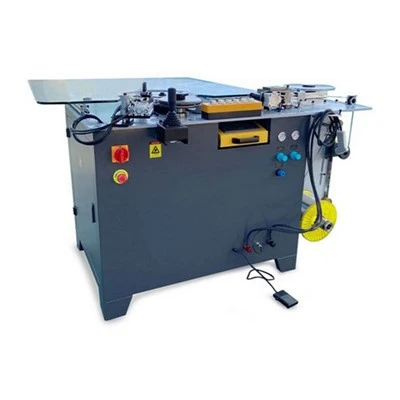
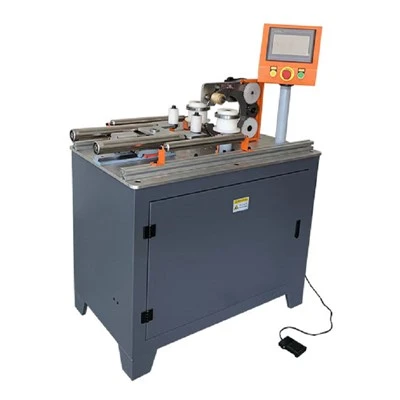
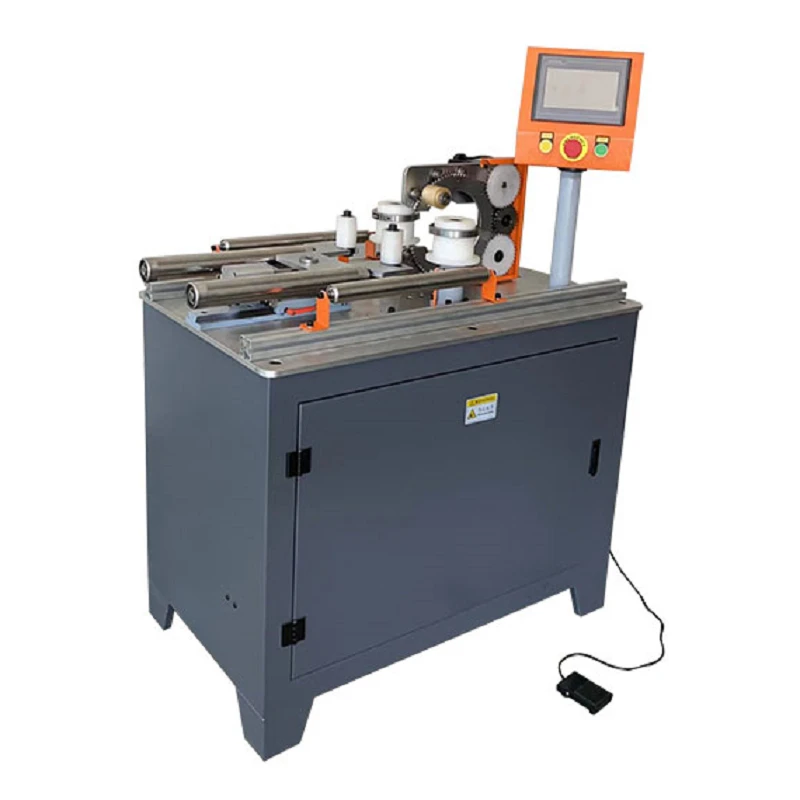
Foot sealers are operated by foot pedal control, allowing hands-free sealing. These machines are practical for sealing larger packages or when manual dexterity is required during the packaging process.
Automatic sealing machines
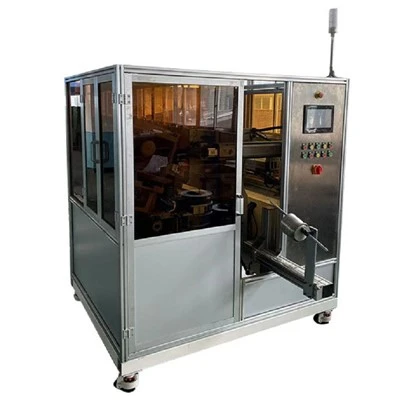
Automatic sealing machines are fully automated systems that handle the entire sealing process without manual intervention. These machines are ideal for high-volume production and provide consistent and efficient sealing.
How to Choose Sealing Machine
Type of packaging material
Consider the type of packaging material you will be using, such as plastic bags, pouches, bottles, or containers. Different sealing machines are designed for specific materials and may use heat sealing, pressure sealing, or other methods depending on the material's characteristics.
Sealing method
Understand the various sealing methods available, including heat sealing, impulse sealing, ultrasonic sealing, vacuum sealing, and induction sealing. Choose a machine that employs the most suitable sealing method for your packaging requirements. For example, heat sealing is common for plastic bags, while induction sealing is effective for sealing containers with foil seals.
Production volume
Consider the production volume and speed required for your business. Some sealing machines are designed for high-volume, continuous production, while others are suitable for smaller batches. Choose a machine that matches your production needs to ensure efficiency and productivity.
Seal size and configuration
Evaluate the size and configuration of the seals required for your products. Different sealing machines may offer varying seal widths, lengths, and patterns. Ensure that the machine can accommodate the specific dimensions of your packaging to achieve the desired seal quality.
Ease of operation and adjustability
Opt for a sealing machine that is user-friendly and easy to operate. Consider features such as adjustable sealing parameters, digital controls, and intuitive interfaces. Machines with easy adjustments and settings allow for flexibility in adapting to different packaging requirements.
Maintenance and durability
Assess the maintenance requirements and overall durability of the sealing machine. Choose a machine that is easy to maintain and provides reliable performance over the long term. Look for features such as easily replaceable parts and access for cleaning.
Compatibility with product characteristics
Consider the specific characteristics of your products, such as their shape, size, and sensitivity to heat or pressure. Ensure that the chosen sealing machine is compatible with the unique requirements of your products to avoid damage or quality issues during the sealing process.
Food and beverage industry
Sealing machines are extensively used in the food and beverage industry for packaging a wide range of products, including snacks, confectionery, frozen foods, and beverages. They seal packages to preserve freshness, prevent contamination, and enhance the visual appeal of the products on store shelves.
Pharmaceutical industry
In the pharmaceutical sector, sealing machines play a critical role in packaging medications, capsules, tablets, and other pharmaceutical products. These machines ensure the hermetic sealing of blister packs, pouches, and containers to maintain product safety and compliance with regulatory standards.
Cosmetics and personal care products
Sealing machines are employed in the packaging of cosmetics, skincare products, and personal care items. They create a secure seal on bottles, tubes, and containers to protect the contents from external factors, such as air and moisture, while also providing a tamper-evident seal.
Industrial manufacturing
Sealing machines are used in industrial manufacturing for sealing various products, components, and parts. This includes applications in automotive manufacturing, electronics, and other industries where protective sealing is required for components or finished goods.
Medical device packaging
Sealing machines are utilized in the medical device industry to seal packaging for items like surgical instruments, diagnostic equipment, and medical disposables. The precision and sterility provided by these machines are crucial in maintaining the integrity of medical devices.
Retail packaging
Sealing machines are employed in the retail sector for packaging a wide range of consumer goods, including household items, hardware, and electronics. They create sealed packages that not only protect the products but also enhance their visual presentation on store shelves.
Textile industry
Sealing machines are used in the textile industry to seal bags or packages containing textiles, garments, or related products. This ensures that the products remain protected during storage and transportation.
Chemical and industrial products
Sealing machines are applied in the packaging of chemicals and industrial products, providing secure seals for containers and packages. This helps prevent leakage, contamination, and ensures the safe handling of hazardous materials.
E-commerce packaging
With the rise of e-commerce, sealing machines are used for packaging goods that are shipped directly to consumers. They play a crucial role in creating sealed packages for a variety of products, ranging from electronics to household items.
Agricultural products
Sealing machines are employed in the packaging of agricultural products such as seeds, fertilizers, and pesticides. They create sealed bags or pouches to protect these products from environmental factors.
Material of Sealing Machine
Stainless steel
Stainless steel is a popular choice for the frame and structural components of sealing machines. It offers corrosion resistance, durability, and easy cleaning, making it suitable for applications in industries such as food and pharmaceuticals where hygiene is crucial.
Aluminum alloy
Aluminum alloys are often used for components where a balance of strength and weight is important. Aluminum provides good durability, corrosion resistance, and ease of machining, making it suitable for certain parts of sealing machines.
Mild steel
Mild steel may be used in the construction of some components, providing a cost-effective option for structural elements. However, it may require additional protective coatings to prevent corrosion.
Plastics
Various types of plastics, such as high-density polyethylene (HDPE) or polypropylene (PP), are used for certain components, especially those that come into contact with packaging materials. Plastics are chosen for their low friction properties, chemical resistance, and suitability for specific sealing applications.
Rubber and silicone
Rubber and silicone materials are used for gaskets, seals, and other components that come into direct contact with the sealing process. These materials provide a flexible and resilient sealing solution, ensuring a tight and effective seal.
Ceramics
Ceramics may be used in specific components where high wear resistance is required. For example, ceramic coatings on sealing bars can enhance their durability and reduce friction during the sealing process.
Teflon (PTFE)
Teflon, or polytetrafluoroethylene (PTFE), is used in some sealing machines, particularly in components that come into contact with high temperatures or require non-stick properties. PTFE is known for its excellent chemical resistance and low friction characteristics.
Bronze or brass
Bronze or brass components may be used for certain mechanical parts within the sealing machine. These materials offer good wear resistance and are suitable for specific applications.
Working Principle of Sealing Machine
Working principle of a sealing machine involves the application of heat and pressure to create a secure and airtight seal on packaging materials, ensuring the integrity and freshness of the enclosed contents. In general, sealing machines are commonly employed in the packaging industry, playing a crucial role in the final stages of product packaging.
The process begins with the preparation of the packaging material, typically in the form of bags, pouches, or containers, which are filled with the desired product. Once the product is in place, the opening of the packaging material is positioned in the sealing area of the machine. The sealing machine employs various mechanisms, depending on the type of machine, to create a seal.
One widely used method is heat sealing, where the sealing machine utilizes heated elements or jaws. These elements are brought into contact with the packaging material, creating a localized increase in temperature. As a result, the material undergoes a phase change, becoming temporarily malleable and allowing the edges to fuse together when pressure is applied. This fusion forms a strong, impermeable seal that effectively encloses the product.
Pressure is another critical component of the sealing process. The sealing machine applies controlled pressure to ensure that the heated elements compress the packaging material uniformly. This pressure not only contributes to the bonding of the material but also helps in shaping and reinforcing the seal. The duration of heat and pressure application is often optimized for the specific characteristics of the packaging material, ensuring a consistent and reliable seal.
The Manufacturing Process of Sealing Machine
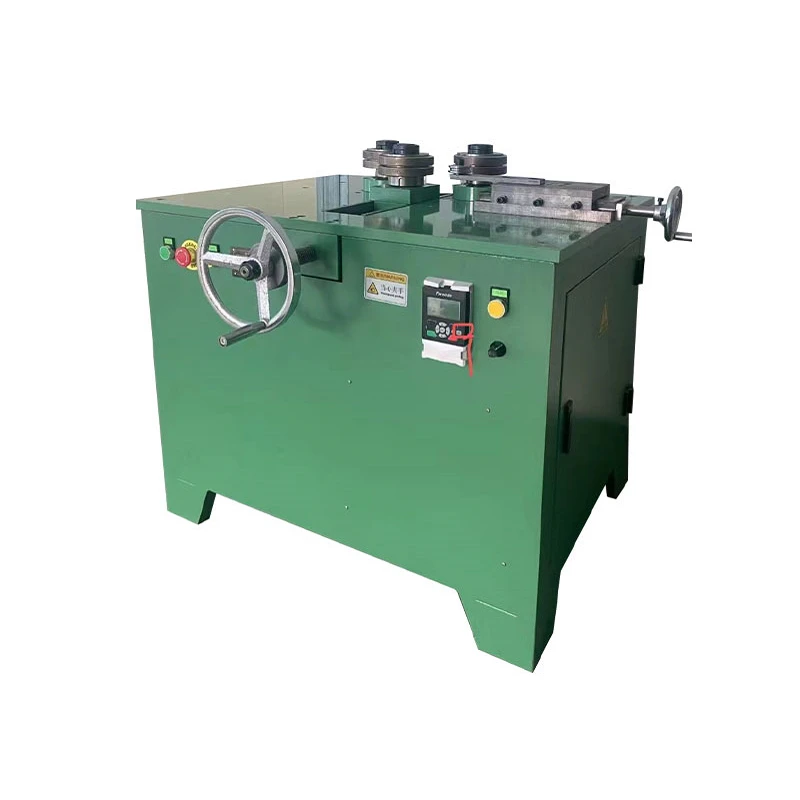
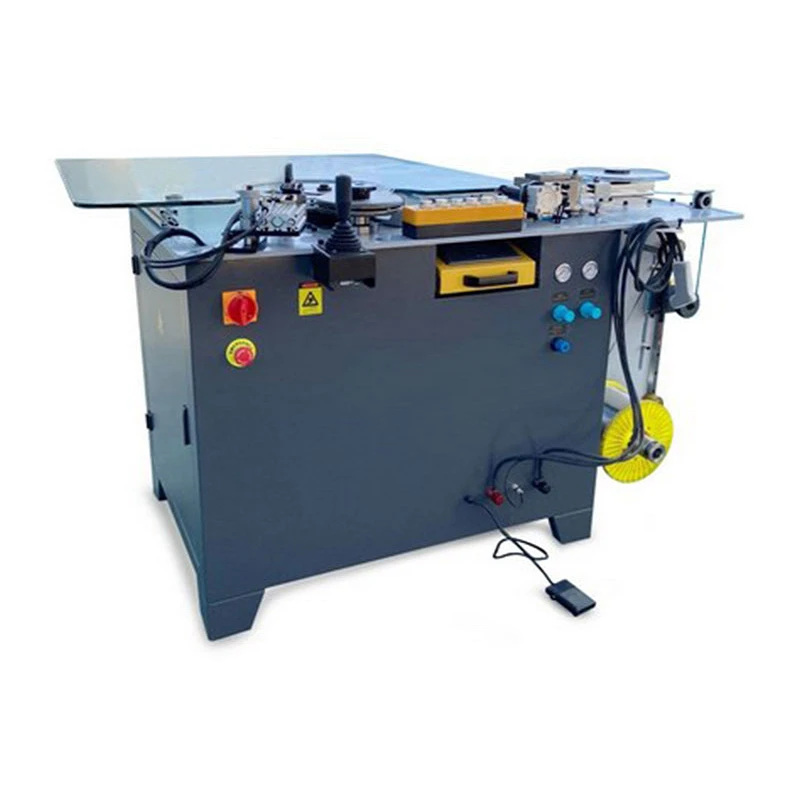
Design and planning
The process begins with the design phase, where engineers create detailed plans for the sealing machine. This includes specifying the machine's dimensions, structural components, sealing mechanisms, and control systems. The design also considers the intended applications and industry standards.
Material selection
Based on the design specifications, materials are selected for various components of the sealing machine. Common materials include stainless steel for structural elements, aluminum alloys for lightweight parts, plastics for certain components, and rubber or silicone for seals and gaskets.
Fabrication of structural components
The structural components, such as the frame, housing, and support structures, are fabricated according to the design specifications. This often involves cutting, bending, and welding metal parts to create the frame and other structural elements.
Machining and manufacturing of parts
Precision machining is employed to create components such as sealing bars, rollers, and other moving parts. CNC (Computer Numerical Control) machining processes ensure accurate dimensions and tight tolerances for critical components.
Assembly of mechanical components
The mechanical components, including gears, bearings, shafts, and actuators, are assembled according to the design. Careful attention is given to aligning and fitting components to ensure smooth operation during the sealing process.
Integration of sealing mechanisms
The specific sealing mechanisms, whether heat sealing, pressure sealing, ultrasonic sealing, or others, are integrated into the machine. This involves installing heating elements, pressure pads, or ultrasonic transducers, depending on the chosen sealing method.
Installation of control systems
Control systems, including electronic controls, sensors, and human-machine interfaces (HMIs), are integrated into the machine. These systems control the sealing process, monitor parameters, and ensure precision in the operation of the machine.
Quality control and testing
Throughout the manufacturing process, quality control measures are implemented. This includes inspections of components, dimensional checks, and testing of critical functions. Once the machine is assembled, it undergoes rigorous testing to ensure its performance meets design specifications.
Finishing and surface treatments
Surface treatments, such as painting or coating, may be applied to certain components for protection against corrosion or to enhance the aesthetic appearance of the machine.
Packaging and shipping
Once the sealing machine has passed quality control and testing, it is prepared for shipping. This involves packaging it securely to prevent damage during transportation.
How Do Sealing Machines Impact the Overall Manufacturing Process
Increased efficiency
Sealing machines automate the sealing process, significantly improving the efficiency of packaging operations. By automating what would otherwise be a manual and time-consuming task, can achieve higher production rates, reduce labor costs, and enhance overall process efficiency.
Consistency and precision
Sealing machines ensure consistency and precision in the sealing process. The automation of sealing eliminates variations associated with manual sealing, resulting in uniform and high-quality seals across all products. This consistency is critical in meeting quality standards and customer expectations.
Higher production throughput
The automation provided by sealing machines allows for higher production throughput. With faster sealing cycles and reduced downtime, can meet increased demand and scale their production to align with market requirements.
Improved product quality
The use of sealing machines contributes to improved product quality by creating reliable and secure seals. This is particularly important in industries such as food and pharmaceuticals, where the integrity of the packaging is critical to preserving product freshness, safety, and compliance with regulations.
Cost reduction
Sealing machines can lead to cost reductions in manufacturing. Automated sealing processes reduce the need for manual labor, decreasing labor costs and minimizing the potential for errors associated with manual sealing. Additionally, the efficiency gained through automation can lead to overall cost savings.
Enhanced productivity
By automating the sealing process, can enhance overall productivity. Sealing machines operate at consistent speeds, reducing bottlenecks and optimizing the entire production line. This increased productivity can positively impact the overall output of the manufacturing process.
Versatility in packaging
Sealing machines offer versatility in packaging options. They can accommodate various types of packaging materials, sizes, and sealing methods, providing with flexibility to adapt to different products and packaging requirements.
Reduced material waste
Sealing machines contribute to reduced material waste by optimizing the use of packaging materials. The precision of the automated sealing process minimizes the risk of overuse or underuse of materials, leading to cost savings and environmental sustainability.
Conservation of resources
Automation in sealing processes contributes to the conservation of resources. By optimizing energy usage, reducing material waste, and improving overall efficiency, sealing machines align with sustainable manufacturing practices.
How to Install Sealing Machine
Site preparation
Choose an appropriate location for the sealing machine. Ensure there is sufficient space to accommodate the machine and that it is placed on a stable and level surface. Consider factors such as accessibility, power source proximity, and ventilation.
Unpacking
Carefully unpack the sealing machine, ensuring that all components are present and undamaged. Check the documentation for a packing list and inspect for any visible signs of shipping damage.
Power connection
Identify the power requirements of the sealing machine and ensure that the electrical supply at the installation site meets these specifications. Connect the machine to a compatible power source, following the provided guidelines and safety instructions.
Air supply
If the sealing machine requires compressed air for its operation, ensure that there is a clean and sufficient air supply. Connect the machine to the air source according to the instructions.
Mounting
If the sealing machine needs to be mounted or secured to a surface, follow the guidelines for installation. This may involve bolting the machine to a worktable or another stable structure.
Alignment
Align the machine components, such as sealing bars or jaws, to ensure they are in the correct position for effective sealing. Refer to the machine's manual for specific alignment procedures.
Heat element adjustment
If the sealing machine has adjustable heat elements, set them to the recommended or specified temperature for the type of packaging material you will be using.
Pressure adjustment
If the sealing machine allows for pressure adjustment, configure it based on the requirements of the packaging material. Follow the guidelines to set the appropriate pressure for optimal sealing.
Test run
Before using the machine for actual production, conduct a test run with scrap or sample materials. This helps ensure that the machine is operating correctly, and adjustments can be made if needed.
Things to Note When Using Sealing Machine
Wear personal protective equipmen
Depending on the type of sealing machine and the materials being sealed, wear appropriate personal protective equipment (PPE), such as safety gloves and eye protection. This is especially important when dealing with heat sealing machines or machines that involve the use of pressure.
Ensure proper machine setup
Set up the sealing machine according to the instructions. Check and adjust settings such as temperature, pressure, and sealing time to match the requirements of the specific packaging materials being used.
Inspect sealing elements
Regularly inspect the sealing elements, such as heating bars or pressure pads, for wear and tear. Replace any damaged or worn components to maintain the quality of seals and prevent potential safety hazards.
Maintain cleanliness
Keep the sealing machine clean, especially in areas where the sealing process takes place. Remove any debris or residue that could affect the quality of seals or compromise the machine's performance.
Monitor seal quality
Continuously monitor the quality of seals produced by the machine. Inspect sealed packages for any signs of irregularities, leaks, or incomplete seals. Adjust machine settings if necessary to achieve the desired seal quality.
Follow operational procedures
Adhere to the recommended operational procedures outlined in the user manual. This includes proper loading of packaging materials, positioning of items to be sealed, and adherence to cycle times for consistent results.
Be mindful of temperature settings
When using heat sealing machines, be cautious of temperature settings to prevent overheating and potential damage to the machine or packaging materials. Follow the recommended temperature guidelines for the specific materials being sealed.
Handle hot surfaces with caution
If the sealing machine involves heat elements, exercise caution when handling hot surfaces. Use appropriate tools or protective equipment to avoid burns or injuries.
Ensure proper cooling time
If the sealing machine requires a cooling time after each sealing cycle, allow the machine to cool down according to the recommendations. This helps prevent overheating and ensures consistent performance.
Implement regular maintenance
Follow the recommended maintenance schedule outlined in the user manual. Regular maintenance, including lubrication, cleaning, and inspection, helps prevent breakdowns and ensures the longevity of the sealing machine.
How to Maintain Sealing Machine
Keep the sealing machine clean by regularly removing any debris, residue, or excess material. Use a soft brush, compressed air, or a vacuum to clean both the sealing elements and surrounding areas.
Lubricate moving parts as recommended by the manufacturer. Use the appropriate lubricants to prevent friction, wear, and ensure smooth operation. Be cautious not to over-lubricate, as this can attract dust and contaminants.
Regularly inspect sealing elements, such as sealing bars or jaws, for signs of wear, damage, or misalignment. Replace or realign components as needed to maintain an effective seal.
Periodically check and adjust settings such as heat temperature, pressure, and dwell time to ensure they align with the requirements of the packaging materials. Follow the manufacturer's guidelines for these adjustments.
If the sealing machine uses compressed air, check the air supply system regularly for leaks, pressure fluctuations, or contamination. Clean or replace air filters as necessary.
Calibrate the machine periodically to ensure accuracy in heat settings, pressure, and other parameters. Calibration helps maintain consistency in the sealing process.
Regularly inspect the electrical components, including wiring, switches, and controls. Tighten loose connections and replace damaged or worn-out electrical parts.
Architectural design & planning cepteur sint occaecat cupidatat proident, taken possession of my entire soul, like these sweet mornings of spring which I enjoy with my whole...Architectural design & planning cepteur sint occaecat cupidatat proident, taken possession od my entire soul, like these sweet mornings of spring which I enjoy with my whole Lorem ipsum dolor sit ament, consectetur adipisicing elit,sed do eiusmod tempor incididunt labore et dolore magna aliqua. it enim ad minim veniam.
Replace consumable parts, such as Teflon belts or sealing bands, at regular intervals or when they show signs of wear. Using worn-out consumables can compromise the quality of seals.
Conduct regular test runs with scrap or sample materials to check the machine's performance. This helps identify potential issues before they impact production.