

Sealing Gasket
What is Sealing Gasket
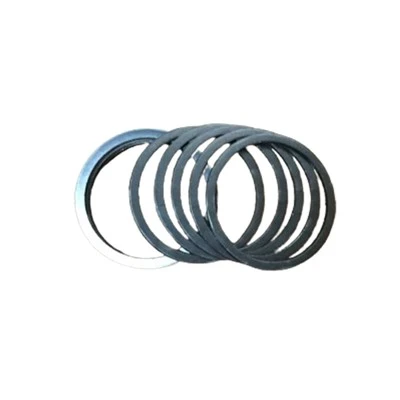
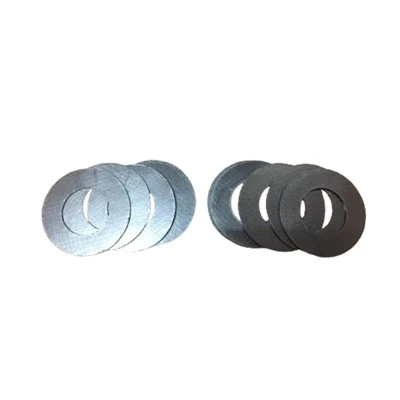
Sealing gasket commonly referred to as a gasket, is a crucial component in various mechanical and industrial applications designed to prevent the leakage of fluids or gases between two joined surfaces. Typically made from materials such as rubber, silicone, metal, or composite materials, sealing gaskets are strategically placed between flange connections, pipe joints, or other mating surfaces to create a tight and secure seal. The primary function of a sealing gasket is to fill the irregularities and imperfections on the mating surfaces, compensating for any potential gaps and ensuring a reliable barrier against the escape or entry of liquids or gases. This not only helps maintain the integrity of the system but also contributes to the overall efficiency and safety of the equipment.Sealing gaskets find extensive use in a wide range of industries, including automotive, aerospace, petrochemical, and manufacturing.
Advantages of Sealing Gasket
Leak prevention
One of the primary advantages of sealing gaskets is their ability to prevent leaks effectively. By creating a secure barrier between two connected surfaces, gaskets ensure that fluids or gases do not escape from the system, maintaining the integrity of the machinery or equipment.
Versatility in material
Sealing gaskets are available in a wide variety of materials, including rubber, silicone, metal, and composites. This versatility allows for the selection of a gasket material that is best suited for the specific requirements of an application, considering factors such as temperature, pressure, and chemical compatibility.
Temperature and pressure resistance
Depending on the chosen material, sealing gaskets can exhibit excellent resistance to extreme temperatures and pressures. This makes them suitable for use in diverse industrial environments where conditions may vary, providing stability and reliability in challenging operational settings.
Vibration and shock absorption
Sealing gaskets act as a cushion against vibrations and shocks within a system. This feature is particularly advantageous in automotive and machinery applications, where vibrations could potentially compromise the integrity of connections. The gasket helps absorb and dampen these mechanical stresses, ensuring a longer lifespan for the equipment.


Why Choose Us
Our Mission
Our mission is to provide industry-leading safety sealing and attachment solutions through our valued quality products, our exceptional service, and our culture of never-ending continuous improvement.
Product Application
Petrochemical Industry, Oil & Gas, Shipbuilding, Metallurgy, Electric Power, Renewable Energy, Papermaking, Medicine.
Production Equipment
Cnc Machine, Punch Machine, Laser Cutting Machine, Spiral Wound Machine,Water Cutting Machine, Kammprofile Machine.
Our Product
Sealing Gasket, Sealing Packing, Sealing Sheet, Sealing Raw Material,Sealing Machine.
Types of Sealing Gasket
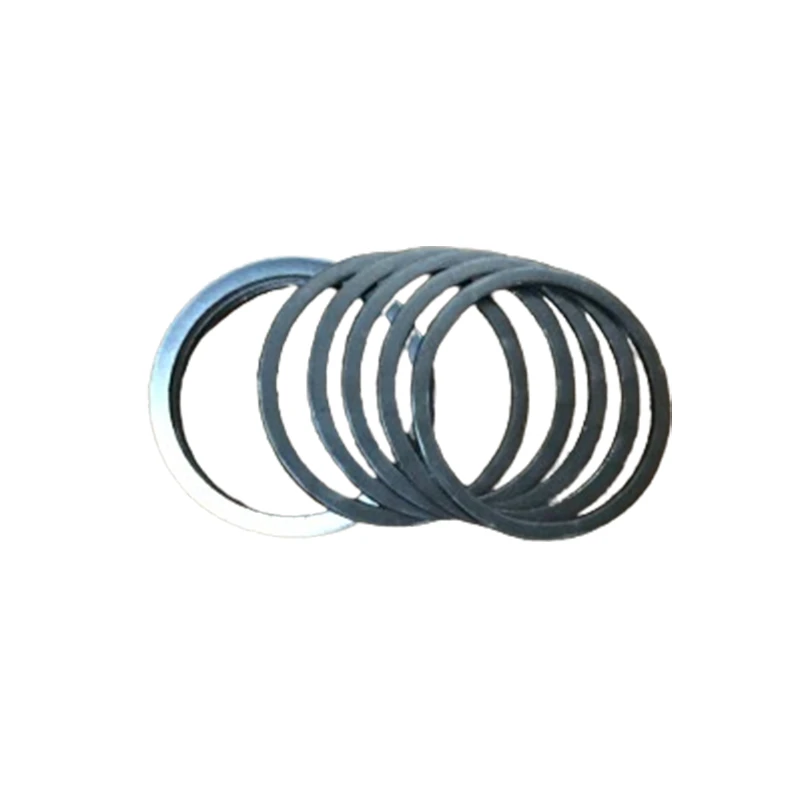
Compressed sheet gaskets
Made from materials such as graphite, aramid fibers, or synthetic rubber, compressed sheet gaskets are resilient and capable of withstanding high temperatures and pressures. They are often used in applications where a reliable seal is required, such as in pipelines and flange connections.
Rubber gaskets
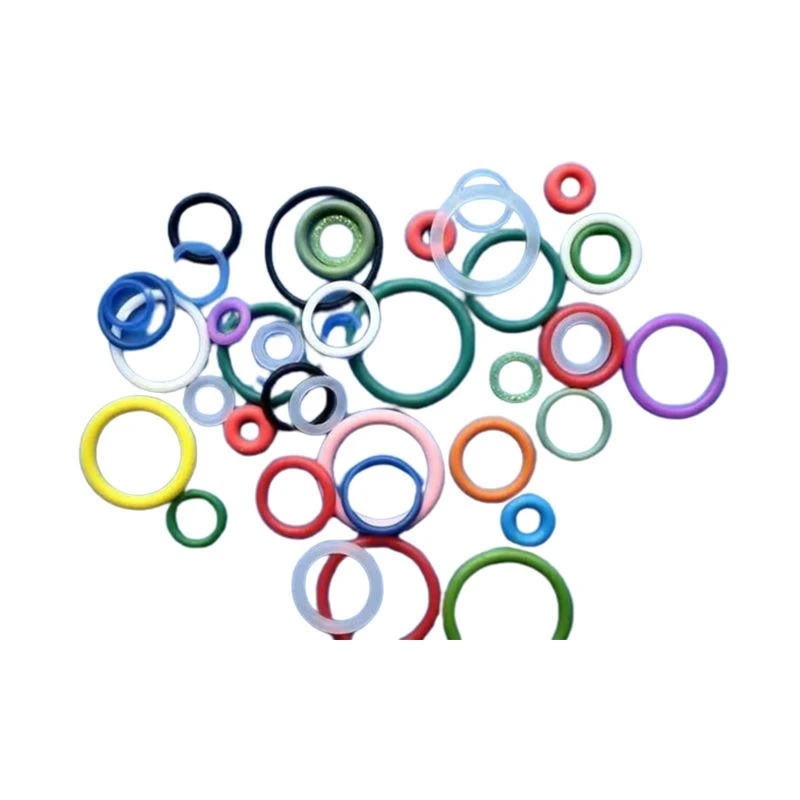
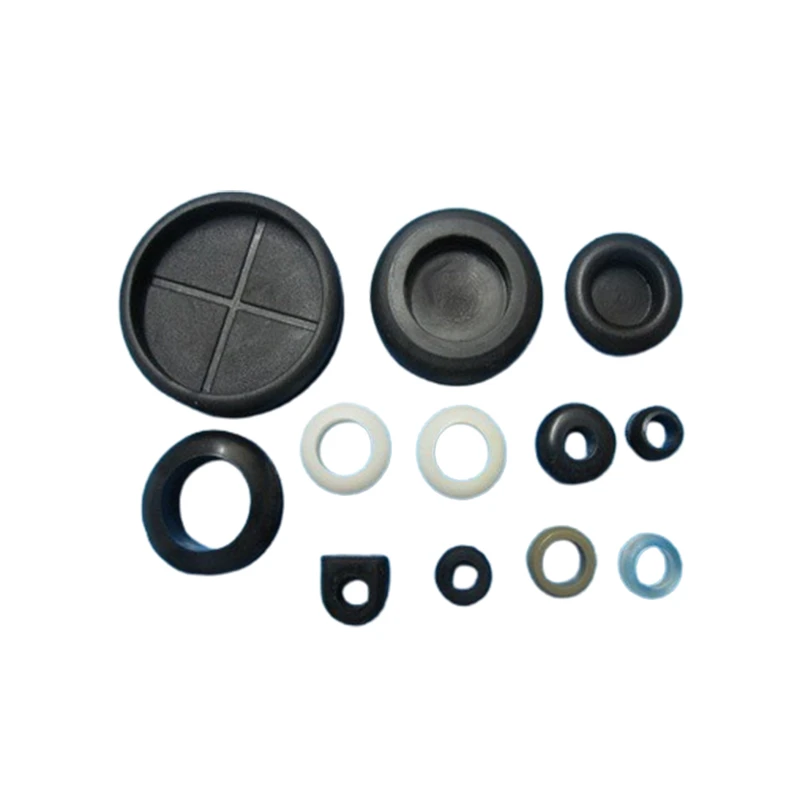
Rubber gaskets, typically made from materials like neoprene, nitrile, or silicone, are known for their flexibility and resistance to various fluids and chemicals. They are commonly used in automotive applications, plumbing, and other instances where a pliable and durable sealing material is needed.
Metal gaskets
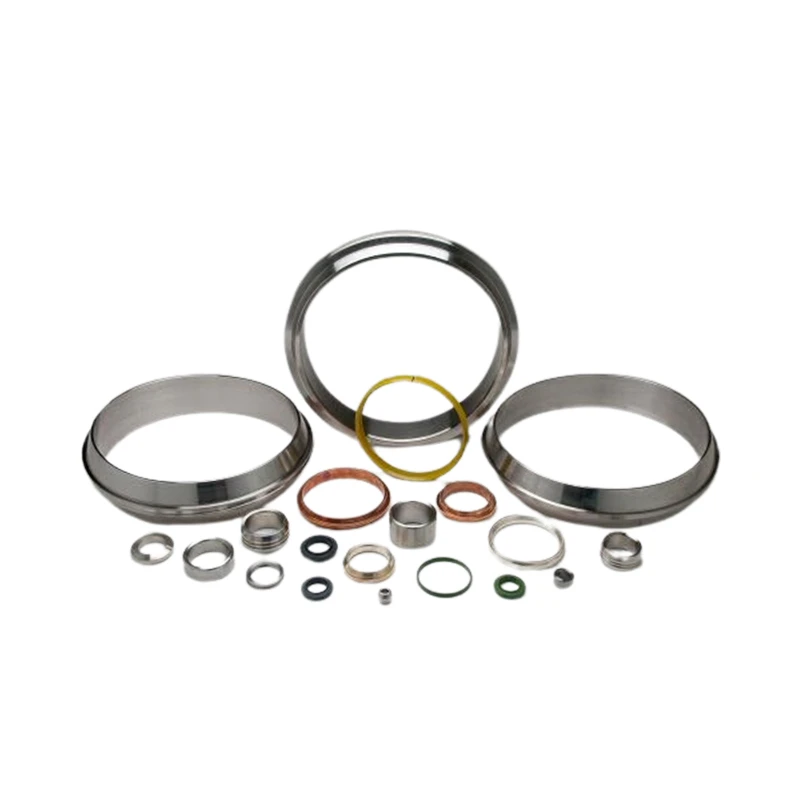
Constructed from materials such as stainless steel, copper, or aluminum, metal gaskets are ideal for applications with high temperatures, pressures, and corrosive environments. They are commonly used in the oil and gas industry, chemical processing, and heat exchangers.
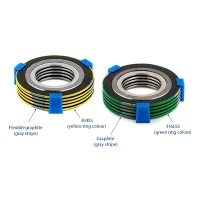
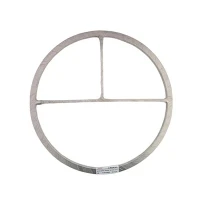
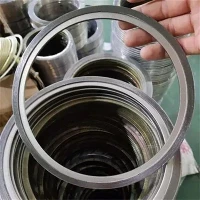
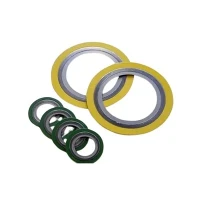
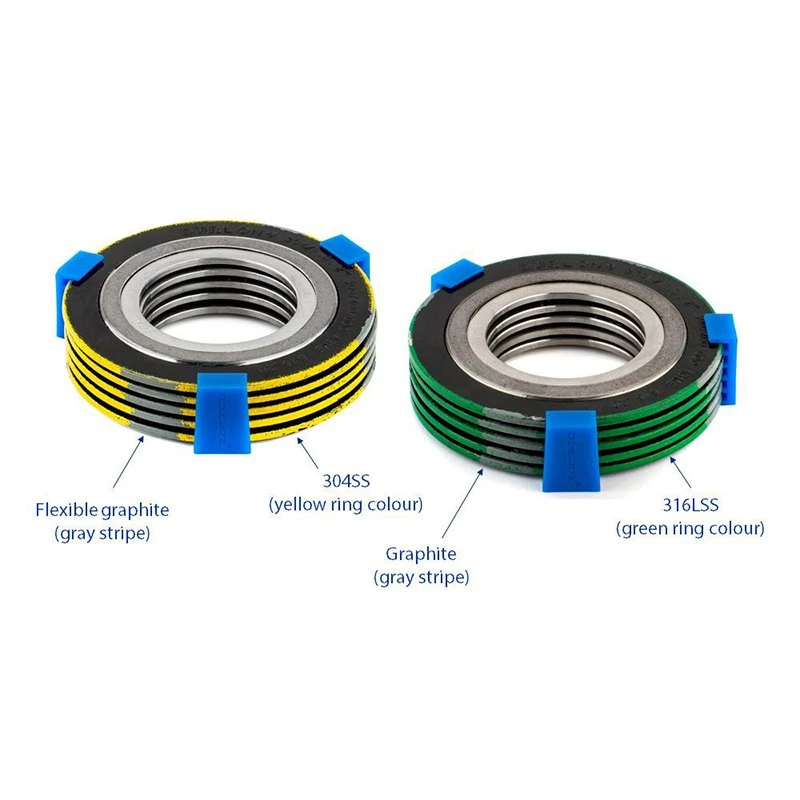
Spiral wound gaskets
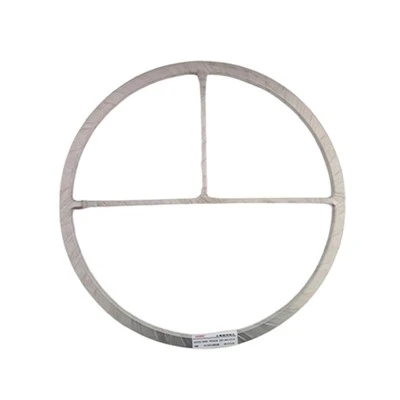
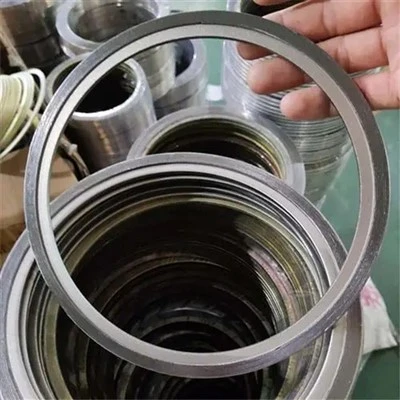
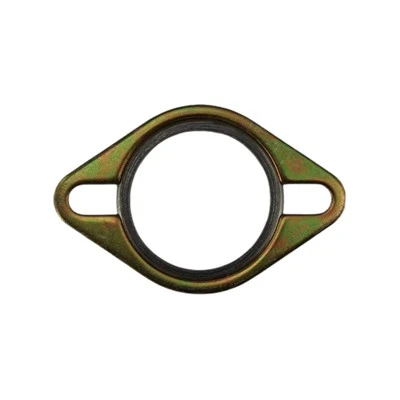
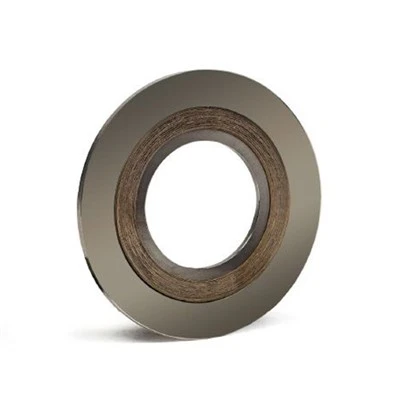
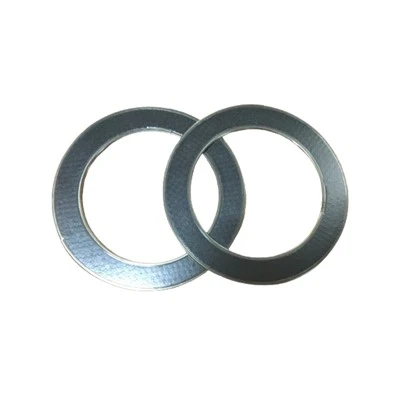
These gaskets consist of a combination of metal and filler material, often graphite or PTFE. Spiral wound gaskets are suitable for high-temperature and high-pressure applications, providing a tight and resilient seal. They are frequently used in flanged connections.
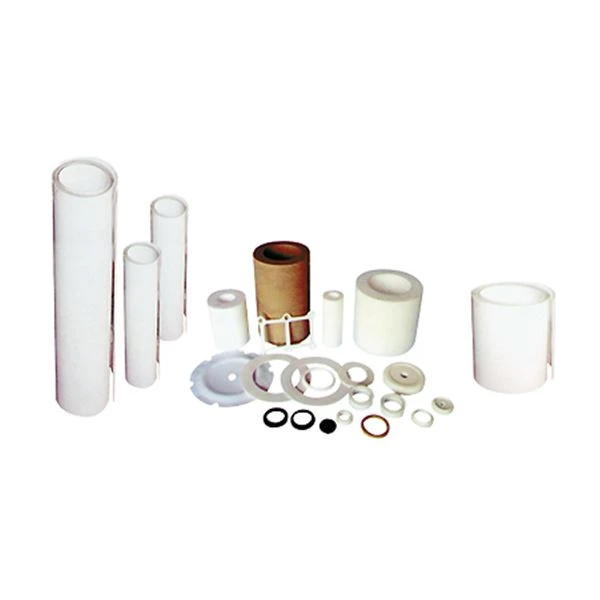
PTFE gaskets
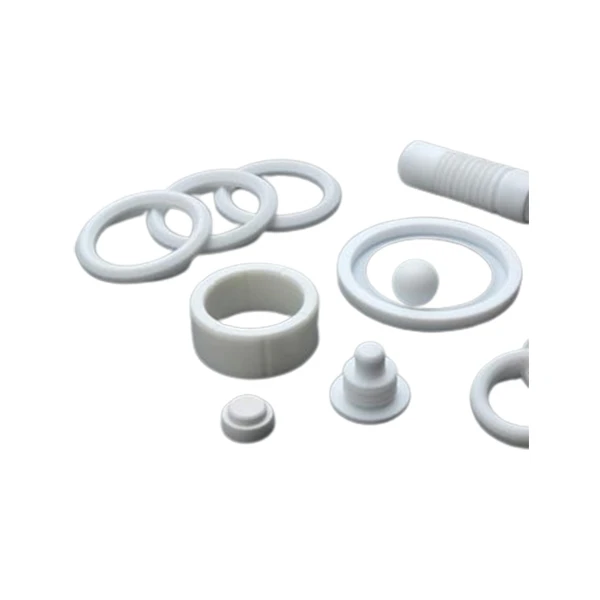
Polytetrafluoroethylene (PTFE) gaskets, commonly known as Teflon gaskets, are known for their excellent chemical resistance and low friction properties. They are often used in applications involving aggressive chemicals, and their non-stick surface makes them suitable for food and pharmaceutical industries.
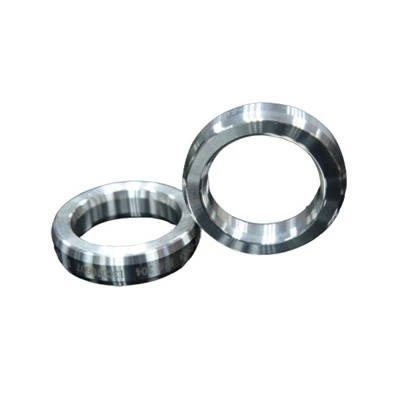
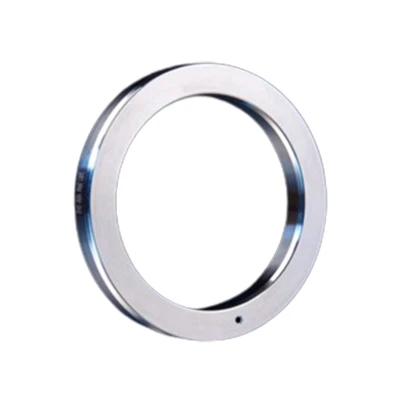
Ring joint gaskets
Commonly used in high-pressure applications such as oil and gas pipelines, ring joint gaskets are metallic gaskets with an octagonal or oval cross-section. They create a tight seal by applying pressure between two connecting flanges, ensuring stability in challenging conditions.
Cam and groove gaskets
These gaskets are commonly used in quick-connect couplings. They are made from materials like Buna-N, EPDM, or Viton and are designed to create a seal in fluid transfer systems, providing a leak-proof connection.
Cork gaskets
Cork gaskets are often used in applications where flexibility and compressibility are essential, such as in automotive engines. They provide a reliable seal and are resistant to oils and fuels.
Envelope gaskets
These gaskets consist of a soft filler material enclosed in a metal or non-metallic jacket. They are commonly used in heat exchangers and boilers, providing an effective seal in high-temperature applications.
How to Choose Sealing Gasket
Material compatibility
Consider the types of fluids or gases the gasket will come into contact with. Different materials have varying resistance to chemicals, temperature, and pressure. Ensure that the gasket material is compatible with the substances present in the application.
Temperature and pressure requirements
Assess the operating temperature and pressure conditions of your application. Different gasket materials have distinct temperature and pressure limits. Select a gasket that can withstand the specific range required for your system.
Surface finish of mating surfaces
The condition of the mating surfaces plays a role in gasket performance. Ensure that the gasket material is appropriate for the surface finish of the flanges or joints it will seal. Softer gasket materials may conform better to irregularities in the mating surfaces.
Type of application
Consider the application type, whether it's a static or dynamic application. Different gaskets are designed for specific applications, such as flange connections, pipe joints, heat exchangers, or pressure vessels. Choose a gasket that matches the demands of your particular system.
Chemical resistance
Evaluate the resistance of the gasket material to chemicals present in the system. Gaskets in contact with corrosive substances should be made from materials that resist degradation and chemical attack.
Compression and recovery
Assess the compression and recovery characteristics of the gasket material. A good gasket should be able to compress sufficiently to create a tight seal and recover its shape after release of pressure, ensuring longevity and reusability.
Ease of installation
Consider the ease of installation and maintenance. Some gaskets may require specific installation procedures or additional components. Choose a gasket that aligns with your installation capabilities and maintenance requirements.
Application Areas of Sealing Gasket
Oil and gas industry
Sealing gaskets are extensively used in the oil and gas sector for sealing flange connections, pipeline joints, and various components in drilling and refining equipment. They help prevent leaks of oil, gas, and other fluids, ensuring the safety and efficiency of the operations.
Automotive sector
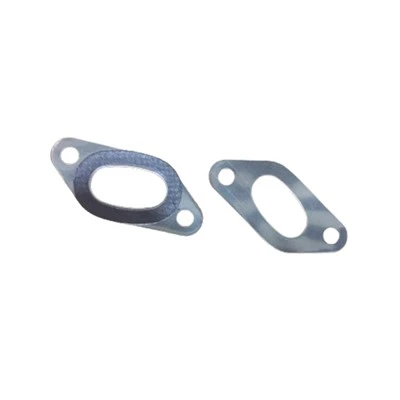
Gaskets are integral components in automotive engines and systems. They seal various engine components, such as cylinder heads, exhaust systems, and oil pans, preventing the leakage of fluids and gases and contributing to the overall performance and reliability of vehicles.
Chemical Processing Plants
In chemical manufacturing facilities, sealing gaskets are employed to seal joints and connections in equipment handling corrosive and hazardous chemicals. The gaskets help maintain the integrity of the system and prevent the release of potentially harmful substances.
Aerospace industry
Sealing gaskets play a critical role in the aerospace sector, ensuring the integrity of fuel systems, hydraulic systems, and various components in aircraft. They are designed to withstand high temperatures, pressures, and dynamic conditions.
Food and pharmaceutical industries
Gaskets used in these industries must comply with stringent hygiene and safety standards. They are employed in processing equipment, ensuring a sanitary and leak-free environment for the production of food and pharmaceutical products.
Power generation
Power plants, including those using fossil fuels, nuclear energy, or renewable sources, rely on sealing gaskets to prevent leaks in pipes, valves, and other critical components. Gaskets contribute to the efficiency and safety of power generation processes.
Water treatment and distribution
Sealing gaskets are used in water treatment plants and distribution systems to prevent leaks in pipes, valves, and connections. They contribute to the reliable transportation of clean water to consumers.
HVAC systems
Heating, ventilation, and air conditioning (HVAC) systems utilize gaskets to seal ductwork, joints, and connections. This helps maintain the efficiency of the systems and prevents the leakage of conditioned air.
Petrochemical industry
Similar to the oil and gas sector, the petrochemical industry employs sealing gaskets in various applications, including sealing process equipment, storage tanks, and transportation pipelines.
Manufacturing and machinery
Sealing gaskets are used in the manufacturing sector for sealing joints and connections in machinery and equipment. They contribute to the proper functioning of industrial processes by preventing leaks and ensuring a secure seal.
Sealing gaskets are made from a variety of materials, each chosen based on the specific requirements of the application, including factors such as temperature, pressure, chemical compatibility, and the nature of the substances being sealed. Here are some common materials used for sealing gaskets:
Rubber (Nitrile, Neoprene, EPDM, Silicone): Rubber gaskets are known for their flexibility and resilience. Nitrile rubber is oil-resistant, making it suitable for automotive applications. Neoprene offers good resistance to weathering, ozone, and chemicals. EPDM is often used for its excellent weather resistance, while silicone rubber can withstand high temperatures.
Cork: Cork gaskets are used for their compressibility and flexibility. They are commonly employed in automotive applications, such as in the gaskets for valve covers and oil pans.
Compressed Non-Asbestos: Compressed sheet gaskets made from non-asbestos materials are commonly used for their resistance to high temperatures and pressures. They may incorporate aramid fibers, graphite, or other synthetic materials.
Graphite: Graphite gaskets are suitable for high-temperature applications and provide excellent thermal conductivity. They are often used in industries such as petrochemicals and power generation.
Metal (Stainless Steel, Copper, Aluminum): Metal gaskets are known for their durability and ability to withstand extreme conditions. Stainless steel, copper, and aluminum gaskets are commonly used in high-pressure and high-temperature applications, such as in the oil and gas industry.
PTFE (Polytetrafluoroethylene): PTFE, commonly known as Teflon, is known for its chemical resistance and low friction properties. PTFE gaskets are used in applications involving aggressive chemicals and high temperatures.
Spiral Wound (Metal with Filler): Spiral wound gaskets combine metal with filler materials such as graphite or PTFE. They are suitable for high-temperature and high-pressure applications, providing a resilient and tight seal.
Fiberglass: Fiberglass gaskets are lightweight and offer good resistance to heat and chemicals. They are often used in applications where weight is a critical factor.
Aramid (Kevlar): Aramid fibers, such as Kevlar, are known for their strength and heat resistance. Gaskets made from aramid materials are suitable for applications requiring high tensile strength.
Viton: Viton is a type of fluoroelastomer known for its excellent chemical resistance, particularly to aggressive fluids and fuels. Viton gaskets are commonly used in automotive and aerospace applications.
Working Principle of Sealing Gasket
The working principle of a sealing gasket is rooted in its ability to create a secure and impervious barrier between two mating surfaces, thereby preventing the unintended escape or entry of fluids or gases within a mechanical system. As a crucial component in various industrial applications, the gasket functions by filling the irregularities and imperfections present on the surfaces it is designed to seal. This adaptive characteristic ensures that, even when the mating surfaces are not perfectly flat or smooth, the gasket can conform to these variations, creating a tight and effective seal.
Upon compression between the flanges or joints, the sealing gasket undergoes deformation to occupy the voids and irregular surfaces, creating a reliable seal that withstands external pressures, internal forces, and environmental conditions. The choice of gasket material is paramount in determining its effectiveness, with materials ranging from rubber and metal to composite substances, each selected based on factors such as temperature, pressure, and the nature of the substances being sealed.
The working principle extends to the gasket's ability to maintain this seal over time, compensating for changes in temperature, pressure fluctuations, and mechanical stresses. In dynamic systems, the gasket's resilience ensures it can adapt to the continuous movement or vibrations within the machinery, maintaining the integrity of the seal.
Working principle of a sealing gasket revolves around its capacity to fill gaps, conform to surface irregularities, and sustain a secure seal under varying operational conditions. This fundamental functionality makes sealing gaskets indispensable in countless industrial applications, contributing significantly to the efficiency, safety, and reliability of mechanical systems across diverse sectors.
The Manufacturing Process of Sealing Gasket
Material selection
The process begins with the selection of appropriate materials based on the application requirements. Common materials include rubber, metal, composites, and various elastomers.
Material preparation
Raw materials are prepared according to the desired composition and specifications. This may involve mixing rubber compounds, cutting metal sheets, or preparing composite materials.
Die cutting or molding
For certain types of gaskets, such as rubber or cork gaskets, die-cutting or molding processes are employed. Dies are used to cut or shape the gasket material into the desired size and form. Precision in cutting is crucial for achieving the correct dimensions.
Compression molding
In cases where gaskets are made from compressible materials, compression molding may be utilized. This process involves applying heat and pressure to shape the material into the desired form using a mold.
Metal ring insertion
Some gaskets, such as spiral wound gaskets, may require the insertion of a metal ring. This can involve winding metal strips with filler material (e.g., graphite or PTFE) and securing the layers together.
Coating
Certain gaskets may undergo coating processes to enhance their performance. For example, rubber gaskets might be coated with anti-stick or anti-friction materials to improve their properties.
Quality control
Throughout the manufacturing process, quality control measures are implemented to ensure that the gaskets meet specified standards. This may involve dimensional checks, material property tests, and visual inspections.
Packaging
Once the gaskets have passed quality control checks, they are packaged and prepared for distribution. Packaging methods may vary depending on the type and size of the gaskets.
How to Install Sealing Gasket
Surface preparation
Ensure that the mating surfaces are clean, smooth, and free from debris, rust, or old gasket material. Any irregularities or damage to the surfaces can compromise the effectiveness of the seal.
Gasket inspection
Before installation, inspect the gasket for any damage, deformities, or foreign particles. Ensure that the gasket is the correct size and material for the specific application.
Proper gasket orientation
Some gaskets have a specific orientation or direction for installation. Follow the guidelines or markings to ensure the correct positioning of the gasket.
Appropriate lubrication
Depending on the gasket material and application, applying a thin layer of compatible lubricant may facilitate the installation process and improve the gasket's performance.
Even gasket compression
During installation, ensure even compression of the gasket. Tighten bolts or fasteners gradually and evenly in a cross-pattern to distribute the load uniformly. This helps prevent uneven stress on the gasket.
Torque specifications
Follow the specified torque values provided by the equipment manufacturer or gasket supplier. Over-tightening can lead to gasket damage, while under-tightening may result in leaks.
Check for proper alignment
Ensure that the flanges or joints are properly aligned before tightening. Misalignment can cause uneven pressure on the gasket and compromise the seal.
Avoid overcompression
Avoid excessive compression of the gasket, as this can lead to deformation and reduced sealing effectiveness. Refer to the recommendations for the optimal compression range.
Retorque
Depending on the application and gasket type, it may be necessary to retorque the bolts or fasteners after a certain period. This is particularly important for gaskets that undergo initial compression and relaxation.
Things to Note When Using Sealing Gasket

Material compatibility
Ensure that the gasket material is compatible with the substances it will come into contact with, including fluids and gases. Verify chemical resistance to prevent degradation or failure over time.
Temperature and pressure limits
Adhere to the specified temperature and pressure limits of the gasket material. Exceeding these limits may compromise the integrity of the seal and lead to leaks or gasket failure.
Surface preparation
Properly prepare the mating surfaces by cleaning them thoroughly and removing any debris, rust, or old gasket material. Smooth and flat surfaces promote even compression and a reliable seal.
Correct gasket orientation
Ensure the gasket is installed in the correct orientation, especially if it has specific markings or features indicating a particular direction. Improper orientation can lead to leaks.
Proper torque application
Follow the recommended torque specifications when tightening bolts or fasteners. Over-tightening can damage the gasket, while under-tightening may result in leaks.
Avoid overcompression
Avoid excessive compression of the gasket, as it can lead to deformation and reduced sealing effectiveness. Follow the recommended compression range to achieve the optimal seal.
Retorquing
Some gaskets may require retorquing after a certain period to compensate for initial compression and relaxation.
Regular inspection
Periodically inspect the gasket for signs of wear, damage, or deterioration. Address any issues promptly to prevent leaks and maintain the integrity of the sealing system.
Environmental considerations
Consider the environmental conditions, such as exposure to UV radiation, extreme temperatures, or corrosive substances. Choose gasket materials that can withstand the specific environmental challenges.
Avoid mixing gasket materials
Avoid mixing gasket materials within the same system. Different materials may have varying levels of compatibility, leading to chemical reactions or accelerated degradation.
What Are the Differences Between Soft and Hard Sealing Gaskets
Soft Sealing Gaskets: Soft gaskets are typically made from flexible materials such as rubber, elastomers, PTFE (polytetrafluoroethylene), or other soft and compressible materials. These materials allow the gasket to conform to irregularities in mating surfaces, creating a tight seal.
Hard Sealing Gaskets: Hard gaskets are made from rigid materials, often metals like stainless steel or other durable alloys. These materials provide stability and resistance to deformation, making hard gaskets suitable for high-pressure and high-temperature applications.
Soft Sealing Gaskets: Soft gaskets are inherently flexible and can adapt to uneven or irregular surfaces. This flexibility allows for better conformity, making them suitable for applications where the mating surfaces may not be perfectly smooth or aligned.
Hard Sealing Gaskets: Hard gaskets lack the flexibility of their soft counterparts. They maintain their shape and rigidity, which is advantageous in applications where stability and resistance to compression are critical.
Soft Sealing Gaskets: Soft gaskets are commonly used in applications where a tight and flexible seal is required. They are suitable for low to moderate pressure and temperature conditions. Common applications include flange connections, pipe joints, and applications with irregular mating surfaces.
Hard Sealing Gaskets: Hard gaskets are employed in high-pressure and high-temperature environments where stability and resistance to compression are essential. They are often used in industrial settings, such as the oil and gas industry, chemical processing, and applications with stringent sealing requirements.
Soft Sealing Gaskets: Soft gaskets rely on their compressibility and flexibility to create a seal. When compressed between two mating surfaces, they conform to irregularities and fill gaps, preventing the escape or entry of fluids or gases.
Hard Sealing Gaskets: Hard gaskets create a seal through their rigid structure. When clamped between flanges or joints, the metal-to-metal contact forms a tight seal, and the gasket resists deformation under high pressure.
Soft Sealing Gaskets: Soft gaskets are often reusable, especially if they maintain their integrity and are not damaged during disassembly. Their compressible nature allows them to recover and provide a reliable seal after being used.
Hard Sealing Gaskets: Hard gaskets may not be as easily reusable since their rigid nature may lead to deformation during use. In some cases, hard gaskets need replacement after each use.
Components of Sealing Gasket
Sealing gaskets consist of various components that contribute to their overall effectiveness in creating a reliable and secure seal between mating surfaces. The specific components may vary depending on the type and design of the gasket. Here are the common components of sealing gaskets:
Primary material: The primary material forms the main body of the gasket. It is selected based on the specific requirements of the application, considering factors such as temperature, pressure, and chemical compatibility. Common materials include rubber, metal, composites, and elastomers.
Filler material: Some gaskets, such as spiral wound gaskets, include filler materials to enhance their performance. These fillers, often made of materials like graphite or PTFE, contribute to the gasket's ability to withstand high temperatures, pressures, and chemical exposure.
Metal reinforcement: Certain gaskets incorporate metal reinforcements, such as an internal metal ring or layers of metallic material. This metal reinforcement provides additional strength, stability, and resistance to deformation, especially in high-pressure applications.
Coating: Gaskets may be coated with specific materials to enhance their properties. For example, rubber gaskets may have anti-stick or anti-friction coatings to improve their performance during installation and operation.
Anti-crush or anti-extrusion rings (if applicable): In high-pressure applications, gaskets may include anti-crush or anti-extrusion rings. These components help prevent the gasket material from extruding into the flange joint under extreme pressure, maintaining the seal's integrity.
Bonding agents: Some gaskets may utilize bonding agents or adhesives to secure layers of material together. This enhances the overall stability and cohesion of the gasket, especially in applications where multiple layers are involved.
Filler-graphite: Graphite is commonly used as a filler material in gaskets due to its excellent thermal conductivity and chemical resistance. It helps improve the gasket's sealing performance, particularly in high-temperature applications.
Binder: Binders are substances that help hold the gasket material together. In compressed sheet gaskets, binders are often used to enhance the cohesion and flexibility of the material.
Regular inspection
Periodically inspect gaskets for signs of wear, damage, or deterioration. Look for visible cracks, tears, or distortions. Identifying issues early allows for timely replacement and prevents potential leaks.
Torque checks
Monitor the torque of bolts or fasteners regularly, especially in applications with varying temperatures and pressures. Over time, gaskets may experience compression relaxation, and retorquing can help maintain the required compression.
Environmental considerations
Consider the environmental conditions in which the gaskets operate. Extreme temperatures, exposure to corrosive chemicals, or other harsh conditions can impact the lifespan of gaskets. Choose gaskets with materials suitable for the specific environment.
Fluid compatibility
Ensure that the gasket material is compatible with the fluids or gases it comes into contact with. Chemical resistance is crucial to prevent degradation or breakdown of the gasket material.
Replace damaged gaskets promptly
If any gasket is found to be damaged or compromised during inspections, replace it promptly. Delaying replacement can lead to leaks, equipment damage, and safety risks.
Prevent overcompression
Avoid overcompression of gaskets during installation. Excessive compression can lead to gasket deformation and reduced effectiveness.
Monitor operating conditions
Regularly monitor the operating conditions of the system, including temperature and pressure fluctuations. Extreme conditions can affect the performance of gaskets, so adjustments or replacements may be necessary.